

Ways to Remove Unwanted Facial Hair for Women
Facial Hair Removal: Beyond the Basics
While we've previously covered electric razors for body hair removal, facial hair deserves its own conversation. Unwanted facial hair—whether it's fuzz on your upper lip, stray chin hairs, or peach fuzz across your cheeks—can understandably affect your confidence. The good news? You have more options than ever before, and many of them work beautifully from home without appointments or recurring costs.
This guide walks through the most effective facial hair removal methods for women aged 25–45, explaining how each works, what to expect, and which might be right for your skin type and lifestyle.
Tip 1: Try Threading for Precision Without Chemicals
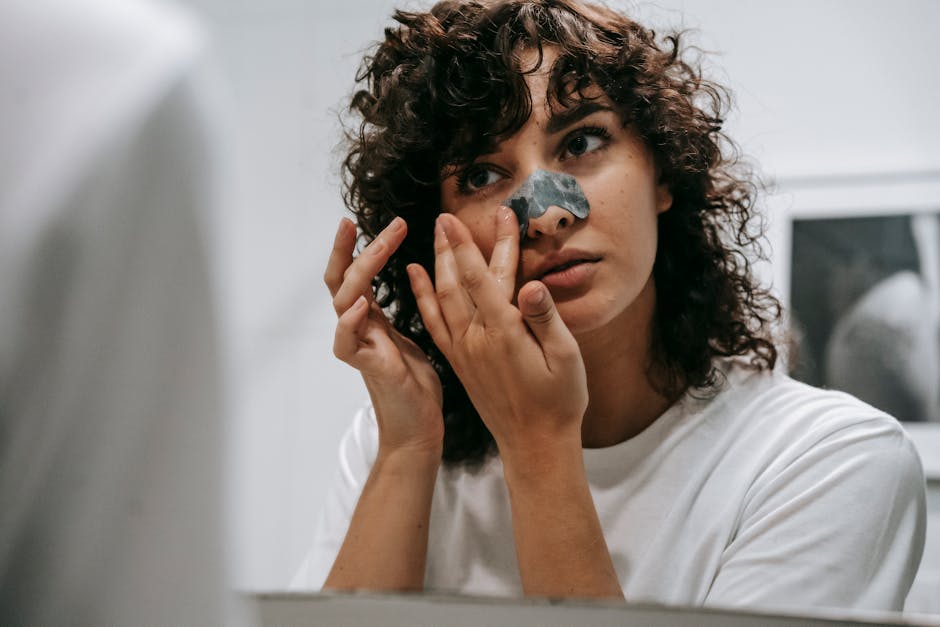
Threading is an ancient technique that uses twisted thread to pluck hair from the root. It's especially popular for eyebrows, upper lip, and cheeks because it offers precise control and leaves no chemical residue on sensitive facial skin.
You can purchase threading kits online or watch instructional videos to learn the technique yourself—though it does have a learning curve. The upside: no products needed, no risk of irritation from creams or solutions, and results last 3–4 weeks. The downside is that it can feel uncomfortable initially and takes practice to master. If DIY threading feels intimidating, many dermatologists and estheticians still offer this service at affordable rates.
Tip 2: Use Depilatory Creams for Quick, Painless Hair Removal
Depilatory creams dissolve hair at the skin surface using chemical compounds. Products designed specifically for facial use are gentler than body depilatories because facial skin is more delicate. Look for options labeled "face-safe" to avoid irritation.
The appeal is instant results—hair vanishes in 5–10 minutes—with no pain. Results typically last 3–7 days since the product removes hair above the skin rather than from the root. Always do a patch test 24 hours before use to check for allergic reactions, and follow application instructions carefully. If you have very sensitive or reactive skin, skip this method in favor of mechanical options.
Tip 3: Consider Prescription Eflornithine Cream for Slower Regrowth
Eflornithine is an FDA-approved topical cream that slows hair growth rather than removing existing hair. It's typically prescribed by dermatologists for facial hair and works best when combined with another removal method like shaving or plucking.
This option is ideal if you're frustrated by rapid regrowth or if other methods irritate your skin. Results aren't immediate—you'll notice slower regrowth after 2–3 weeks of consistent use—but the cumulative effect can be life-changing. It requires a prescription and is more expensive than OTC options, but many insurance plans cover it when medically prescribed. Discuss this with your dermatologist if you have hormonal hair growth or simply want to extend time between removal sessions.
Tip 4: Explore Plucking for Small, Sparse Areas
Plucking remains one of the oldest and most accessible methods. For scattered hairs on the chin, cheeks, or upper lip, a quality pair of tweezers and good lighting can be incredibly effective and cost-efficient.
Plucking removes hair from the root, so results last 3–4 weeks. The main drawback is that it's time-consuming for larger areas and can feel uncomfortable. To minimize irritation, pluck after a warm shower when pores are open, use sterile tweezers, and avoid over-plucking the same area. For widespread facial hair, plucking isn't practical—but for touch-ups between other treatments, it's unbeatable.
Tip 5: Try Sugaring for a Natural Alternative
Sugaring is similar to waxing but uses a sticky paste made from sugar, water, and lemon juice. The paste removes hair from the root, and because it's all-natural, it's gentler on sensitive facial skin than traditional wax.
You can buy ready-made sugaring paste or make it yourself at home—though DIY versions require precision to get the consistency right. Apply it against the direction of hair growth and flick it off with the hair. Results last 3–4 weeks, similar to waxing, but many people find sugaring less irritating because the paste adheres to hair rather than skin. It does feel slightly uncomfortable during removal, so consider a patch test first if you have very sensitive skin.
Tip 6: Use Waxing for Larger Areas and Longer-Lasting Results
Waxing removes hair from the root and works well for the upper lip, cheeks, chin, or entire face. Both soft wax (warmed and applied thinly, removed with strips) and hard wax (cooled until pliable, removed by hand) are available for at-home use.
Results last 3–4 weeks since hair grows back from the root. Hard wax tends to be gentler on facial skin because it doesn't adhere to living skin cells as strongly as soft wax. Always do a patch test, follow instructions for temperature control to avoid burns, and moisturize well afterward. If ingrown hairs are a concern, use a gentle exfoliant a few days after waxing and apply hydrating serums to support healing.
Tip 7: Invest in Laser Hair Removal for Semi-Permanent Results
At-home laser hair removal devices use concentrated light to damage hair follicles, gradually reducing hair growth over multiple treatments. The Lunara Light™ Mini Home Hair Removal Device is a popular option for those wanting to treat facial hair without salon visits.
Laser works best on dark hair and lighter skin tones (the contrast helps the light target the follicle) and requires 4–6 consistent treatments spaced 2–4 weeks apart to see significant results. Once effective, many users enjoy 6–12 months of reduced regrowth before needing maintenance. The upfront cost is higher than temporary methods, but it's often more cost-effective long-term when you factor in eliminated salon visits and product purchases. Expect mild discomfort during treatment—most devices have cooling features to minimize this.
Tip 8: Use High-Frequency Devices to Reduce Hair and Improve Skin
High-frequency wands are primarily known for treating acne, but consistent use can also help with fine facial hair and peach fuzz. The BeautyPro 2.0 - High Frequency Wand combines anti-acne benefits with gentler hair reduction, making it multifunctional if you struggle with both concerns.
These devices use electrical current to oxygenate skin and stimulate cellular activity, which can weaken fine hairs over time while also clarifying breakouts. Results aren't as dramatic as laser, but they're gentler and work on all skin tones. Use 2–3 times weekly as directed. This is an excellent option if you want to address multiple skin concerns simultaneously rather than focusing solely on hair removal.
Tip 9: Combine Methods for Best Results on Mixed Facial Hair Types
Many women have different hair densities and types across the face. Combining methods often yields the best cosmetic results and comfort. For example, use laser or waxing on the upper lip and cheeks (larger, denser areas), threading for eyebrows (precision), and plucking for occasional chin hairs (efficiency).
Mixing methods also reduces the risk of over-treating any one area. If you're using laser, space other removal methods at least 48 hours apart to avoid irritating skin. A combination approach also means you're not dependent on a single technique's limitations, making it easier to adapt as your skin or hair changes with age or hormonal shifts.
Putting It Together
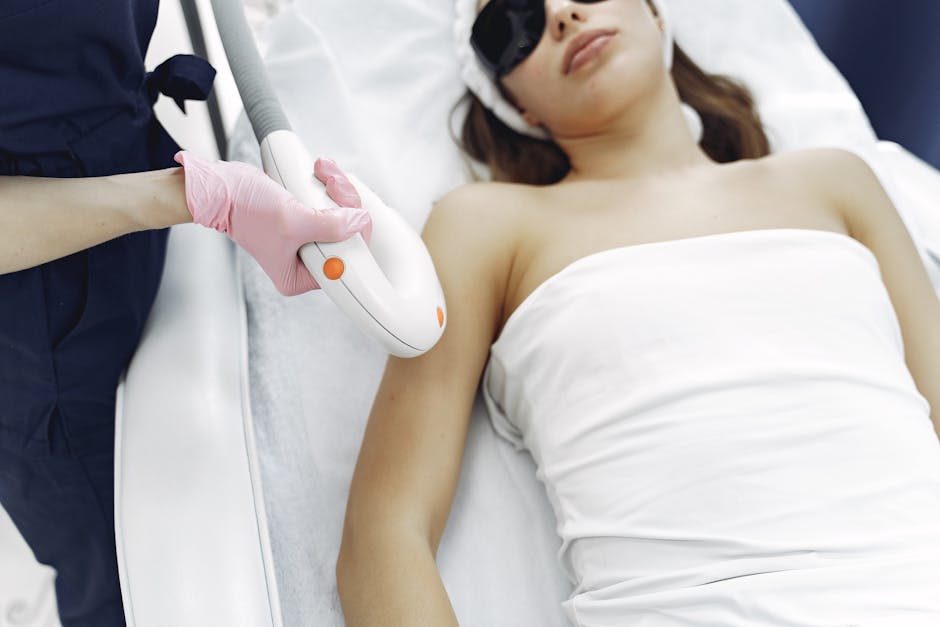
The best facial hair removal method depends on your hair type, skin sensitivity, budget, and patience for maintenance. Temporary methods like threading, sugaring, and waxing offer quick results and work on all skin tones. Chemical options like depilatory creams and eflornithine provide convenience with varying timelines. Semi-permanent solutions like laser devices require upfront investment but reward consistent use with dramatically reduced regrowth. Start with what feels most comfortable, test on a small area first, and remember that results improve with practice and consistency. Your facial skin deserves care during removal—moisturize well afterward, avoid sun exposure on treated skin, and give your skin recovery time between treatments.
FAQ
Is it safe to use multiple hair removal methods on my face at the same time?
Yes, but with caution. Space different methods at least 48 hours apart to avoid over-irritating skin. For example, if you wax on Monday, wait until Wednesday to pluck or use a high-frequency device. This prevents inflammation and allows skin to recover between treatments.
Which method is best for sensitive skin?
Threading, plucking, and eflornithine cream are gentlest on sensitive skin because they avoid harsh chemicals or heat. Sugaring is also a good natural option. Avoid depilatory creams unless you've done a thorough patch test first.
Can facial hair removal cause darker or thicker regrowth?
No—this is a common myth. Removing hair by any method won't change its thickness or darkness. What you may notice is that regrowth appears darker because freshly emerging hair hasn't been bleached by sun exposure yet, or appears slightly thicker if you switch from shaving (which creates blunt edges) to plucking (which shows the full width of the hair).
How often should I treat facial hair?
It depends on the method: threading, waxing, and sugaring last 3–4 weeks; plucking lasts 2–3 weeks; depilatory creams last 3–7 days; laser requires treatments every 2–4 weeks initially, then less frequently as regrowth slows. Choose based on how quickly your hair regrows and your tolerance for maintenance.
Is at-home laser safe for facial hair?
Yes, when used correctly. At-home laser devices are FDA-cleared and designed for safe use. Always follow the manufacturer's instructions, avoid the eye area, do a patch test first, and skip treatment if you're taking photosensitizing medications. If you're uncertain, consult your dermatologist before starting.
Sources
- U.S. Food and Drug Administration (FDA) — Guidance on over-the-counter hair removal and skin care devices
- American Academy of Dermatology — Patient resources on hair removal methods and skin safety
- National Library of Medicine (PubMed) — Peer-reviewed studies on laser hair removal efficacy and safety in dermatology