

The $10 Secret to Baby Soft Skin: What Reviewers Know
The Secret That Nobody Talks About (But Everyone Should)
While we've previously covered the best skincare devices for lifting, sculpting and tackling fine lines and hyperpigmentation, there's a humble, almost overlooked truth lurking in the skincare aisle that reviewers and beauty enthusiasts keep quietly recommending: the most transformative step for achieving baby soft skin costs around $10 and has nothing to do with fancy serums or expensive treatments.
It's not a gadget. It's not a device. It's the simple practice of exfoliation done right—and specifically, the understanding that your skin's texture, softness, and glow depend far less on what you're putting on your face than on what you're removing from it first.
Thousands of reviewers across beauty communities report that when they finally committed to consistent, gentle exfoliation using affordable, accessible tools—often just a simple exfoliating cloth, acid toner, or grainy paste under $10—their skin transformed in ways that expensive creams never could. The shift wasn't subtle. Their skin became noticeably softer, more even-toned, and visibly brighter within weeks.
The Basics: What Exfoliation Really Does

Your skin naturally sheds dead cells every 28 to 40 days. This process is called desquamation, and it's completely normal. However, dead cells don't always slough off on schedule. They accumulate, bunch together, and sit on the surface of your skin like a dull, rough blanket. This buildup makes your complexion look flat, uneven, and tired. It also creates a physical barrier that prevents serums, moisturizers, and treatments from penetrating deeply—which means you could be using expensive products that never actually reach living skin cells.
Exfoliation removes this layer of dead cells, revealing fresh, living skin underneath. This is why people consistently report that their skin feels softer immediately after exfoliating, and why reviewers swear by this step as the foundation of any skincare routine. Without exfoliation, even the best treatments in your collection are working at 30 percent capacity. It's like trying to paint over dust.
What makes this a "$10 secret" isn't that exfoliation itself is new or revolutionary—it's been part of skincare for centuries. It's that most people either skip this step entirely, do it wrong (too harshly, too often, or with the wrong tool), or spend far more than necessary on products that deliver the same result as something simple and affordable.
Physical vs. Chemical: Why the Method Matters
There are two main types of exfoliation, and reviewers tend to swear by whichever one they've had the best results with. Understanding the difference helps you choose what will actually work for your skin.
Physical exfoliation uses texture—a grainy paste, cloth, or brush—to manually buff away dead cells. It's tactile, immediate, and satisfying. A simple exfoliating cloth or sugar scrub under $10 falls into this category. The appeal is instant gratification: you can feel the dead skin coming off.
Chemical exfoliation uses acids (like glycolic acid or salicylic acid) or enzymes (like papain from papaya) to dissolve the bonds holding dead cells together. These dissolve away more gently than physical scrubbing, making them better for sensitive skin. A bottle of affordable AHA or BHA toner often costs between $8 and $12.
The reason reviewers swear by the "$10 secret" is that both approaches work. The best choice depends on your skin type. Those with sensitive or compromised skin barriers often report better results with chemical exfoliants, while those with resilient, oily, or textured skin frequently see dramatic improvements with physical exfoliation. Many dermatologists recommend starting with one method and committing to it for at least four weeks before assessing results—which is precisely how reviewers stumbled onto this insight.
The Science Behind the Softness
When dead cells are removed, several things happen simultaneously. First, your skin's natural moisture-retention barrier becomes more effective. Dead cells sit like scales, preventing humectants (water-binding ingredients) from working properly. Second, living cells underneath are smoother and more uniform in texture. Third, increased cell turnover stimulates the production of collagen and elastin, which further softens and strengthens skin over time. Finally, exfoliation allows deeper products to penetrate, magnifying the benefits of whatever serums or treatments you use afterward.
This is why reviewers report that their serums and moisturizers suddenly "work better" after they add exfoliation. The serums were never the problem—the barrier of dead cells was preventing them from doing their job. Once that barrier is removed, even a basic $8 moisturizer performs like a luxury product because it can actually reach the skin.
The softness itself is tactile and measurable. Studies on exfoliation show that regular use increases skin smoothness and decreases the appearance of texture within one to two weeks. For many reviewers, this was the "secret" moment: realizing that baby soft skin wasn't about expensive ingredients, it was about consistent removal of what shouldn't be there.
How to Use This Secret Without Damaging Your Skin
The reason this remains a "secret" is that many people exfoliate too aggressively or too often, damage their skin barrier, and then give up on exfoliation entirely. This is where the method becomes critical.
For physical exfoliation, gentleness is non-negotiable. An inexpensive exfoliating cloth used with light, circular motions 2-3 times weekly is far more effective (and safer) than a harsh scrub used daily. Reviewers who achieved results typically reported using a simple tool consistently rather than aggressively.
For chemical exfoliation, start low and go slow. An affordable AHA or BHA toner used 2-3 times weekly—not daily—is the approach that consistently delivered results without irritation. Many reviewers noted that their skin adjusted beautifully after two to three weeks of this schedule.
The key insight that separates successful reviewers from those who saw no results: they treated exfoliation as a foundational step, not an intensive treatment. It's something you do consistently and gently, not something you do aggressively when your skin feels rough.
What This Means for You
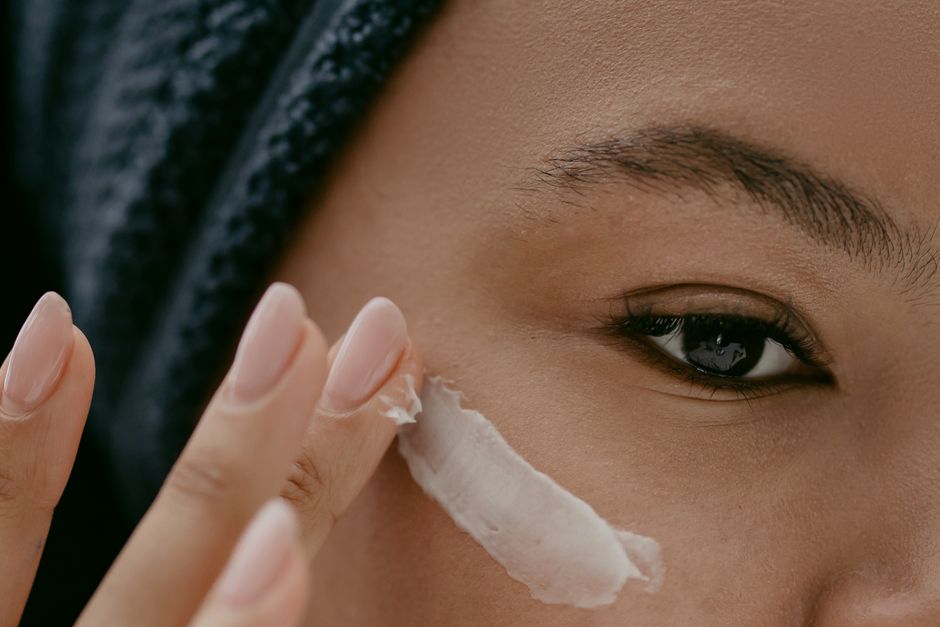
The "$10 secret" to baby soft skin isn't actually secret—it's exfoliation, and it's been hiding in plain sight because people underestimate it. If your current routine includes expensive serums, masks, and treatments but your skin still feels rough or dull, exfoliation is almost certainly the missing piece. Before investing in advanced devices, try this: choose one affordable exfoliation method (a cloth, a toner, or a simple scrub), use it gently 2-3 times weekly, and commit to that routine for four weeks. Pay attention to how your skin feels and how other products perform.
Many reviewers who made this shift found that their skin improved so dramatically that they then added targeted treatments like LED facial sculpting devices or high-frequency wands for acne to address specific concerns—but the foundation was always exfoliation. Devices and treatments work exponentially better when applied to properly exfoliated skin.
The reason this matters isn't just about vanity. Soft, smooth skin indicates a healthy skin barrier and good cellular turnover. When you understand that baby soft skin comes from removing what doesn't belong rather than adding more products, your entire approach to skincare shifts. You spend less money, see faster results, and build a routine that actually works.
FAQ
Can exfoliation damage your skin?
Yes, if done improperly. Over-exfoliation or using tools that are too harsh can compromise your skin barrier, leading to redness, sensitivity, and dryness. The key is using a gentle method 2-3 times weekly. If your skin becomes irritated, reduce frequency and reassess your exfoliation tool or product.
Is chemical or physical exfoliation better for sensitive skin?
Chemical exfoliation is generally gentler for sensitive skin because it works at the molecular level and doesn't involve physical friction. However, some people with sensitive skin do well with a soft exfoliating cloth. The best approach is to start with whichever method feels more comfortable and commit to it for at least a month before switching.
How quickly will I see results?
Many people notice softer skin immediately after their first exfoliation. However, visible improvements in texture, brightness, and evenness typically take 2-4 weeks of consistent use. This timeline aligns with your skin's natural cell-turnover cycle.
Should I exfoliate if I have acne?
Yes, but carefully. Gentle exfoliation can help acne by removing dead skin cells that trap bacteria. However, avoid exfoliating over active inflamed spots. Instead, focus on the rest of your face, and consider a chemical exfoliant (like a salicylic acid toner) rather than physical exfoliation if your acne is active.
Can exfoliation replace expensive skincare products?
Exfoliation is foundational but not a complete replacement. However, it does maximize the effectiveness of whatever products you use. Many reviewers found that after adding exfoliation, they needed fewer products overall because each one worked so much better on properly prepared skin.
Sources
- U.S. Food and Drug Administration (FDA) — Cosmetics: Safe Use of Exfoliants and Skincare Products
- National Center for Biotechnology Information (NCBI) — Research on Exfoliation and Skin Cell Turnover
- American Academy of Dermatology (AAD) — Skincare Device Safety and Efficacy Guidelines