

Beauty Tech's Retail Revolution: AI, Social Commerce & You
The Hook: Beauty Retail Isn't What It Was Three Years Ago
While we've previously covered individual wellness gadgets and their effectiveness, the landscape of how beauty products reach your home has fundamentally shifted. A woman in 2026 discovering a new skincare device isn't necessarily browsing Sephora or waiting for a dermatologist referral—she's watching a fifteen-second demonstration on TikTok Shop, reading real-time reviews from her peer network, and potentially using an AI-powered wearable that tells her exactly which light wavelengths her skin needs most. The distribution channels, the personalization technology, and the social proof mechanisms have rewritten the entire playbook. This article explores that seismic shift and what it means for how you choose beauty tech for home use.
The Basics: Why Retail Transformation Matters to Beauty Tech Adoption
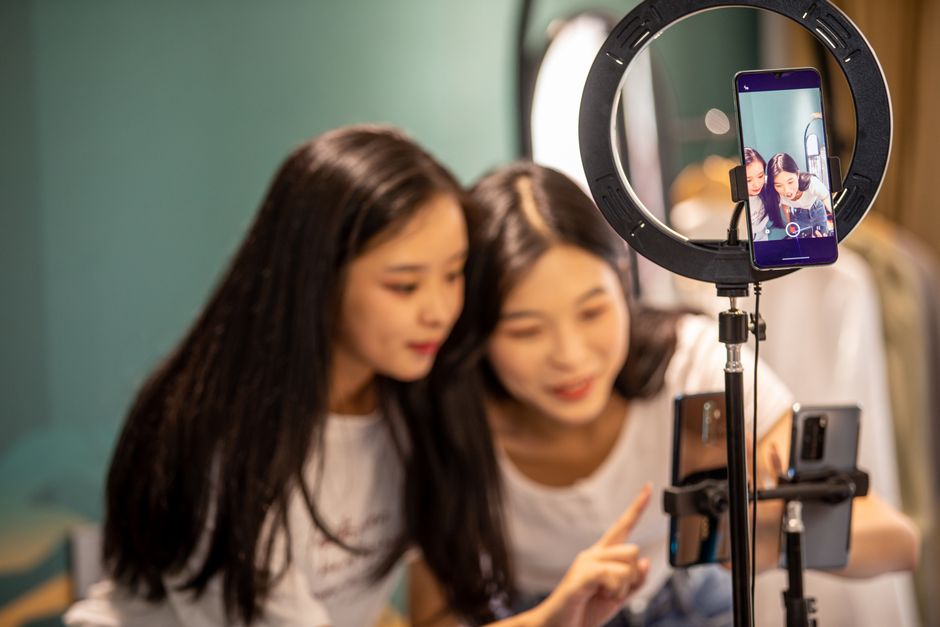
Beauty technology—including LED masks, microcurrent devices, laser hair removal tools, and high-frequency wands—has long occupied a peculiar space in consumer wellness. These products occupy the intersection of skincare science, medical-adjacent claims, and discretionary spending. Historically, women discovered them through dermatologist recommendations, magazine reviews, or word-of-mouth in closed circles. The barrier to entry was high: you needed either professional guidance, significant research time, or a friend who'd already invested.
What's changed is the permission structure. Social commerce platforms like TikTok Shop have lowered the friction between discovery and purchase. More importantly, they've created verification mechanisms that feel more trustworthy to younger audiences than traditional beauty advertising. When you see a creator you follow demonstrating real results on their own skin—not a model's face—over weeks of actual use, it carries different weight than a magazine spread funded by the brand's marketing budget. Simultaneously, wearable AI is beginning to customize the beauty tech experience itself, meaning the device you purchase can theoretically adapt to your unique skin biology rather than assuming a one-size-fits-all approach. These two forces—democratized distribution and personalized technology—are fundamentally altering how women access and adopt at-home beauty devices.
From Influencer Marketing to Peer-Driven Social Commerce
Traditional beauty influencer marketing followed a predictable script: a brand partners with a creator, the creator posts a polished video, followers see the product and consider purchasing. The model worked, but it relied on parasocial relationships and aspirational imagery. TikTok Shop and similar platforms have inverted this dynamic. Instead of top-down endorsement, these platforms enable horizontal recommendations—peer-to-peer sharing of genuine results and honest reviews, happening in real time and at scale.
The shift matters because beauty tech purchases are high-consideration decisions. A woman spending $300 on an LED facial device or hair removal tool wants evidence that it works. She wants to see it tested on skin similar to hers, over a realistic timeframe, with unfiltered after-photos. Social commerce platforms enable exactly this type of peer review in ways that traditional retail cannot. Reviews live alongside product pages. Video demonstrations are embedded. Creators can link directly to inventory. Returns are seamless. The friction that once meant only committed dermatology enthusiasts or wealthy early adopters purchased these tools has nearly vanished.
What this means for the beauty tech industry is a dramatic expansion of the addressable market. Products that once felt luxury or niche are now accessible to anyone with a smartphone and five minutes to watch a tutorial. The best-performing products on these platforms aren't necessarily the ones with the biggest budgets—they're the ones that actually deliver visible results, because the feedback loop is too fast and too public for false claims to survive.
How AI Wearables Are Personalizing the Beauty Tech Experience
Parallel to the distribution revolution, the devices themselves are becoming smarter. Early LED masks operated on a one-size-fits-all principle: red light for anti-aging, blue light for acne, green light for sensitivity. You selected your concern and used the device. New wearable AI technology is beginning to move beyond this static approach toward dynamic, real-time personalization.
Some emerging systems use spectroscopy and biometric sensors embedded in wearable devices to assess your skin's actual condition in real time—not just your reported concern, but measurable parameters like hydration levels, sebum production, inflammation markers, and microcirculation. The AI then calculates an optimized light therapy protocol tailored to your specific biology, adjusting wavelength intensity and exposure duration accordingly. Rather than one size fits all, you get a treatment customized to your skin's actual state that day.
This personalization extends beyond light wavelengths. Some wearable systems integrate heart rate variability, sleep data, and circadian rhythm information to determine optimal timing for beauty treatments. The science here is straightforward: skin has circadian rhythms, and certain treatments are more effective at specific times of day. An AI system that knows your sleep schedule, stress levels, and cardiovascular state can recommend treatment timing that maximizes efficacy for your individual biology.
The implication is profound. Instead of purchasing a generic device and hoping it addresses your concern, you're purchasing a system that learns and adapts. Over time, the AI accumulates data about how your skin responds to different treatments, creating a feedback loop that continuously improves outcomes. For women managing multiple skin concerns—sensitivity and aging, or acne and hyperpigmentation—this personalization removes much of the guesswork that has traditionally made beauty tech purchasing feel risky.
The Convergence: When Distribution and Personalization Meet
The real transformation happens when social commerce platforms connect with personalized wearable technology. Here's the practical scenario: a woman discovers a device on TikTok Shop through peer recommendations and genuine reviews. She purchases it with confidence because the feedback loop is transparent. The device arrives and immediately begins adapting to her unique skin biology through embedded AI. Over the following weeks, as she uses it, the AI learns. She can share her own results back to the social platform, adding her voice to the peer network that influenced her decision in the first place. This creates a virtuous cycle: authentic results drive social discovery, which drives adoption, which generates more authentic data that improves the technology itself.
For beauty tech companies, this convergence means the old gatekeeping models no longer work. You can't rely solely on clinical studies or dermatologist endorsements to validate your product—though those still matter. You need technology that delivers measurable, visible results to real people over realistic timeframes. You need to embrace transparency, because hiding results or making exaggerated claims will be exposed within days on social platforms. And you need to invest in continuous improvement, because the peer feedback loop doesn't forgive products that underperform or fail to deliver on their promises.
For consumers, this is genuinely empowering. The devices available now—from high-frequency wands for acne to LED masks for anti-aging and facial sculptors for skin lifting—have been thoroughly vetted through social proof and real-world testing in ways that older beauty tech never was. When you're considering purchasing an at-home beauty device, you have access to unprecedented amounts of honest, peer-generated data about efficacy, durability, and realistic outcomes.
What This Means for You: Navigating the New Beauty Tech Landscape

Understanding these structural changes helps you make smarter decisions about which devices are worth your investment. First, leverage the social proof that now surrounds quality beauty tech. Look for creators or reviewers testing devices over realistic timeframes—weeks and months, not days. Examine whether the results shown match the claims being made. Be skeptical of results that seem too dramatic or improve too quickly; real skin changes take time and consistent use.
Second, prioritize devices with transparency about their mechanism of action and safety profile. Look for products that cite clinical evidence, FDA clearance where relevant, and dermatologist perspectives. The best beauty tech companies now provide this information willingly because it builds trust and differentiates them in a crowded market. When you're considering a device, spend time understanding not just what it claims to do, but how and why it works.
Third, evaluate whether a device offers meaningful personalization or adaptation over time. The future of beauty tech isn't static devices—it's systems that learn your skin, adjust their protocols, and improve outcomes based on your individual biology. When comparison shopping, ask whether the device has any intelligence built in, or whether you're essentially purchasing a one-setting tool that treats everyone identically.
Finally, take advantage of the seamless return policies and transparent reviews that social commerce platforms now provide. If you purchase a device and it doesn't work for you, you're not stuck. This removes much of the financial risk that traditionally made beauty tech feel like a luxury or gamble. Start with devices that address your primary concern—whether that's anti-aging, acne, hair removal, or skin lifting—and expand from there once you understand how your skin responds to a given treatment modality.
FAQ
Are AI-personalized beauty devices actually worth the premium they command?
The data emerging from early adopters suggests yes, particularly for women managing multiple skin concerns simultaneously. Devices that adapt their protocols based on real-time skin assessment deliver more consistent results than one-size-fits-all tools. However, this premium is only justified if you'll actually use the device consistently over months. If you're the type to use a gadget sporadically, a straightforward device without AI personalization may serve you equally well at a lower price point.
How do I know if social proof on TikTok Shop is genuine versus paid promotion?
Look for reviews from creators with long, established content histories and mixed product reviews—not accounts that exclusively praise one brand. Examine the comments section for critical questions and whether the creator responds honestly. The most trustworthy reviews come from people who aren't reliant on the brand for their primary income; they have less incentive to exaggerate. Also check for #ad disclosures and FTC compliance, which reputable creators now include consistently.
What's the difference between medical-grade beauty devices and consumer home-use devices?
Medical-grade devices typically have higher energy output, faster treatment times, and professional calibration, which means they're designed for in-office use by trained professionals. Consumer devices have lower intensity and longer treatment protocols because they're meant for frequent home use without professional supervision. This doesn't mean consumer devices don't work—it means they work more gently and require consistent, long-term use to match the results of professional treatments. For most women, home devices deliver excellent results when used consistently.
How long should I use a beauty device before deciding it's not working for me?
Most skin concerns require 6-12 weeks of consistent use to show measurable improvement. Acne might improve faster (4-6 weeks), while anti-aging effects typically take the full 8-12 weeks. If you're not seeing any results after 12 weeks of consistent use as directed, it's reasonable to return the device and try a different approach. Keep a simple log or photo series to track progress objectively rather than relying on memory.
Do I need multiple beauty devices, or can one device address several concerns?
A well-chosen multi-wavelength device—like a full-spectrum LED mask that treats both face and neck—can address multiple concerns simultaneously. However, if your concerns are very different (severe acne plus significant hair removal needs), you'll likely need specialized tools, as acne treatments require different wavelengths than hair reduction. Start with one primary tool and expand only if you've committed to consistent use and want to layer benefits.
Sources
- U.S. Food and Drug Administration: Medical Devices
- National Center for Biotechnology Information: LED Light Therapy for Skin Conditions
- Business of Beauty: Retail Trends and Consumer Behavior