

Skin Treatments That Actually Boost Collagen After 25
The Basics: What Happens to Collagen After 25
Here's the truth nobody wants to hear: your body starts producing less collagen around age 25, and it doesn't slow down. By your thirties, you're losing roughly 1% of your remaining collagen each year. By fifty, you've lost about 50% of the collagen in your skin. While we've previously covered some beauty trends that capture attention through shock value, this article takes a different, evidence-based approach to understanding how specific at-home treatments can actually stimulate collagen production rather than relying on topical claims.
Collagen is the structural protein responsible for skin firmness, elasticity, and that plump, youthful appearance you remember having. It's made of amino acids (primarily glycine, proline, and hydroxyproline) and sits in the dermis—the layer beneath your skin's surface. When collagen breaks down faster than your body can repair it, fine lines deepen, skin loses definition, and that frustrating sagging begins. The good news? Certain treatments can genuinely signal your body to manufacture more collagen through specific biological pathways, and many of them work at home.
How Collagen Breaks Down and Why Topicals Alone Aren't Enough

Collagen degradation accelerates due to multiple factors: UV exposure damages collagen fibers directly, inflammation triggers enzymes that break down existing collagen, hormonal shifts (especially declining estrogen after 30) reduce collagen synthesis, and oxidative stress from free radicals weakens the protein structure. Topical collagen creams sound logical, but they can't actually restore collagen because the collagen molecules are too large to penetrate the skin barrier. What they do instead is sit on the surface and provide temporary hydration—helpful for appearance, but not transformative for underlying structure.
This is where treatments that work *beneath* the skin become essential. Light-based therapies, microcurrent, and high-frequency devices bypass the barrier problem by either stimulating the fibroblasts (the cells that produce collagen) or triggering inflammatory responses that prompt the body's natural repair mechanisms. Understanding this distinction is crucial: you're not adding collagen from outside; you're activating your skin's own collagen-making machinery.
Red and Near-Infrared Light: The Cellular Energy Approach
Red light (wavelengths around 600–700 nanometers) and near-infrared light (700–1100 nanometers) work through a mechanism called photobiomodulation. When these wavelengths penetrate the skin, they energize mitochondria—specifically, they boost the enzyme cytochrome c oxidase, which increases ATP (cellular energy) production. More ATP means fibroblasts have the energy to synthesize new collagen, and the skin can more efficiently repair itself.
The research supporting this is robust. Clinical studies show that consistent red light exposure increases collagen density and improves skin thickness. The treatment works gradually but cumulatively; the results appear over weeks and months, not immediately. At-home red light panels like the Lunara Light™ LED Red Light Therapy Panel Pro deliver the same wavelengths dermatologists use in clinical settings, making them one of the most straightforward ways to trigger collagen synthesis at home. Consistency matters more than intensity—15–20 minutes several times weekly will outperform sporadic 30-minute sessions.
LED Masks and Multi-Wavelength Approach: Customizing for Your Needs
While red light is the primary collagen-booster, multi-wavelength LED masks layer additional benefits. Blue light (around 415 nanometers) penetrates shallowly and is excellent for acne, which can accelerate collagen breakdown through inflammation. Yellow and amber light reduce inflammation and promote skin healing, supporting the environment where collagen thrives. The Lunara Light™ LED GlowMask for Face & Neck combines these wavelengths in a single treatment, allowing you to address multiple aging concerns simultaneously.
The key advantage of masks over panels is convenience and consistent coverage. The fixed shape ensures even light distribution across your face and neck—a critical detail because uneven light exposure can lead to patchy results. Clinical users report visible improvements in skin texture and firmness within four to six weeks of consistent use, though individual timelines vary based on starting collagen levels, age, skin tone, and overall skin health.
Microcurrent Technology: Stimulating Collagen Through Electrical Signaling
Microcurrent devices deliver extremely low-level electrical currents that mimic the body's natural bioelectric signals. When applied to skin, these currents increase ATP production (similar to light therapy) and also stimulate fibroblast activity directly through electrical signaling. Additionally, microcurrent temporarily firms skin by toning the facial muscles, creating a dual effect: immediate appearance improvement plus longer-term collagen support.
The LunaraLight™ 7-in-1 LED Facial Sculptor combines microcurrent with LED light therapy, leveraging both mechanisms. This combination approach appeals to people over 30 because the microcurrent delivers visible lift while the LEDs work on deeper collagen synthesis. Results from microcurrent tend to appear faster—some users notice facial definition improvement within days—though the full collagen-building benefit unfolds over months of regular use.
High-Frequency: An Often-Overlooked Collagen Activator
High-frequency devices (typically 50,000 hertz or higher) work differently than light or microcurrent. They create a low-level thermal and energetic effect that increases blood flow, stimulates fibroblast activity, and promotes collagen remodeling. Unlike aggressive treatments like ablative lasers, high-frequency is gentle enough for daily or near-daily use, making it practical for long-term collagen maintenance.
The BeautyPro 2.0 High Frequency Wand is particularly valued because it combines collagen-stimulation benefits with proven anti-acne effects. Since active breakouts cause inflammation that degrades collagen, maintaining clear skin is part of preserving your collagen foundation. This makes high-frequency especially relevant for women who continue experiencing hormonal breakouts into their thirties and forties.
What This Means for You: Practical Takeaways
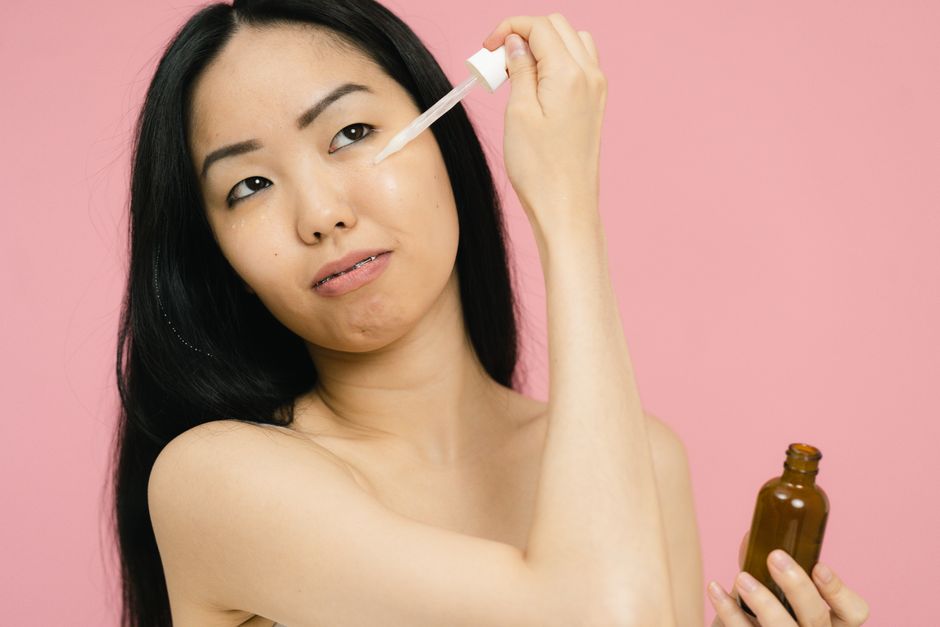
If you're 25 or older and concerned about collagen loss, the most effective approach combines consistency with the right modality for your skin. Red light therapy and LED masks should be your foundation—these have the strongest clinical evidence for direct collagen stimulation. If you also want visible immediate lift and toning, add a microcurrent device to your routine. If acne or inflammation is accelerating collagen breakdown, a high-frequency wand becomes a priority because it solves two problems: it reduces inflammation and stimulates collagen recovery.
Start with one modality and commit to four to six weeks of consistent use before assessing results. Your collagen isn't rebuilt overnight; these treatments work by establishing a habit of signaling your fibroblasts to produce new protein. Once you establish which treatment your skin responds to best, you can layer additional modalities. Many people find that rotating between red light therapy and microcurrent—alternating days or weeks—maximizes results while preventing sensory adaptation where the skin stops responding to stimulus.
FAQ
Can I use multiple collagen-stimulating devices in the same routine?
Yes, but strategically. Red light and LED masks are gentle enough to use daily and can be paired with other treatments. Microcurrent should typically be used 3–5 times weekly to avoid over-stimulation. High-frequency can be used daily but is often most effective when alternated with other modalities. Start with one device for at least a month before combining them, so you can track what's actually working and whether your skin is responding positively or becoming irritated.
How long before I see collagen-related improvements?
Microcurrent and high-frequency can produce visible firmness and definition changes within days to a week. Collagen density improvements from light therapy typically emerge over 4–12 weeks of consistent use, though subtle texture improvements often appear sooner. The timeline depends on your baseline collagen levels, age, and consistency with treatment. Don't expect perfection from devices—they're part of a comprehensive approach that also includes sun protection and a nutrient-dense diet.
Are these devices safe to use long-term?
LED light therapy, microcurrent, and high-frequency have strong safety profiles when used as directed. They're non-invasive and don't create lasting damage to skin structure. The main caution is avoiding overuse (more isn't better) and following device-specific guidelines, especially regarding proximity to eyes and frequency of use. If you have active skin conditions like severe rosacea or are using photosensitizing medications, consult a dermatologist before starting any light therapy.
Do these treatments work equally well for all skin tones?
Light-based therapies are safe across all skin tones, though individual response varies. Microcurrent and high-frequency similarly work across skin types. The primary variable isn't skin tone but rather individual collagen baseline, lifestyle factors, and consistency. Some people see dramatic results within weeks; others experience slower, steady improvement. Skin tone doesn't determine efficacy, but individual skin biology does.
Can I use these devices if I'm on retinoids or other active ingredients?
Generally yes, but timing matters. If you're using strong prescription retinoids or acids, avoid combining them with high-frequency in the same session (space them at least 12 hours apart). Red light and LED therapy are safe to use alongside active ingredients and may actually support skin recovery from the mild irritation these products sometimes cause. Always introduce devices gradually when your skin is also adapting to new active ingredients.
Sources
- National Center for Biotechnology Information: "Photobiomodulation and Collagen in Skin Rejuvenation"
- U.S. Food and Drug Administration: Guidance on Skin Tightening and Anti-Aging Devices
- PubMed: Peer-reviewed research on LED therapy efficacy and collagen synthesis