

Rejuvenation Is Possible: What Revitalize 2026 Revealed
The Counterintuitive Truth About Aging Skin
Here's what surprised us most at this year's major beauty and wellness conferences: the conversation about aging skin has shifted entirely. Five years ago, the narrative was all about fighting wrinkles, hiding damage, and chasing the "flawless filter" look. But in 2026, the theme running through every major event—especially Revitalize 2026—was something fundamentally different. Rejuvenation isn't about erasing time; it's about restoring function. Your skin cells can actually heal, rebuild, and perform better than they do right now. And for most women aged 25 to 45, this happens outside the dermatologist's office—at home, using the right tools.
While we've previously covered the mechanics of red light therapy in isolation, Revitalize 2026 revealed something broader: the entire category of at-home beauty devices has matured into a legitimate clinical ecosystem. That's the real story.
The Basics: What Rejuvenation Actually Means in 2026

Rejuvenation, as discussed by leading skincare professionals at Revitalize 2026, refers to the restoration of skin's natural repair and regeneration processes—not cosmetic coverage. This distinction matters enormously. For decades, skincare marketed "anti-aging" as a defensive strategy: block sun, apply retinol, hide problems. Rejuvenation flips that framework. Instead of preventing damage, rejuvenation activates your skin's own healing machinery.
At the cellular level, your skin naturally produces collagen, maintains a healthy moisture barrier, and cycles through new cell growth. But environmental stress, inflammation, irregular sleep, and natural aging slow these processes down. The rejuvenation approach asks: what if we could safely accelerate them again? This is why the conversation at Revitalize 2026 centered on devices and protocols that directly stimulate cellular activity—whether through light energy, microcurrents, or vibration therapy—rather than topical ingredients alone.
This matters to you because rejuvenation is measurable and cumulative. You're not chasing a temporary result; you're rebuilding your skin's underlying capacity to look and feel better.
How Light Energy Became the Foundation of Home Rejuvenation
The scientific foundation for at-home rejuvenation devices traces back nearly two decades, but Revitalize 2026 highlighted how the field has accelerated in the past three years. Light-emitting diode (LED) therapy, originally developed for medical and clinical use, has become the backbone of most effective at-home rejuvenation systems.
Different wavelengths of light penetrate skin to different depths and trigger different cellular responses. Red light (around 630 nanometers) stimulates collagen production and improves blood flow. Blue light targets bacteria that cause inflammation. Near-infrared light penetrates deepest, energizing mitochondria and supporting tissue repair. When layered together in a single device—as they are in modern LED masks and panels—these wavelengths create a synergistic effect that can noticeably improve skin texture, firmness, and clarity over weeks of consistent use.
What changed at Revitalize 2026 was the integration. Speakers discussed how combining LED therapy with other modalities—hydration systems, microcurrent stimulation, or targeted massage—amplified results beyond what light therapy alone could achieve. The era of single-function devices is ending. Multi-modal systems that address rejuvenation from several angles simultaneously are now the professional standard, and they're increasingly available for home use.
The Three-Pillar Framework for At-Home Rejuvenation

One of the most practical takeaways from Revitalize 2026 was a clear framework that skincare professionals are using to guide at-home rejuvenation plans. The three pillars are: stimulation, hydration, and consistency.
Stimulation is the active component—the device work that accelerates cellular activity. LED masks, microcurrent wands, and facial sculptors fall here. These tools prompt your skin to respond, initiating the repair cascade. Hydration is the infrastructure. Your skin can't rejuvenate effectively if it's dehydrated; the barrier breaks down and inflammation creeps in. This is why speakers emphasized using hydrating serums, essences, and systems designed to lock moisture into the skin during and after device treatments. Consistency is the timeline. Rejuvenation isn't a weekend project. Results emerge over 4 to 12 weeks of regular use. Most devices work best with 2-5 minute sessions, 3-5 times per week.
The professionals at Revitalize 2026 also emphasized that these three pillars interact. Proper hydration amplifies the effects of stimulation. Consistency turns temporary improvements into lasting structural changes in the skin. Skip any pillar, and your results plateau.
What Sets 2026 Devices Apart: FDA Guidance and Real-World Testing
A subtle but significant theme at Revitalize 2026 was transparency around device safety and efficacy. The FDA has begun providing clearer guidance on home-use beauty devices, distinguishing between cosmetic tools and medical devices based on their claims and mechanisms. This distinction has led manufacturers to be more precise about what their devices actually do—and what they don't.
Gone are the days of vague promises about "skin transformation" or "instant lifting." Today's leading devices come with realistic timelines, specific mechanisms of action, and documentation of testing. Many have been evaluated by dermatologists and skincare professionals in real-world home settings, not just lab environments. This means the claims you're reading about how a device can reduce fine lines, improve texture, or minimize pores are grounded in actual human use—not just marketing.
The professional consensus at Revitalize 2026 was that at-home devices now have sufficient clinical support to be considered a legitimate first step before pursuing professional treatments. That's a major shift. Ten years ago, dermatologists often dismissed at-home tools. Now, many recommend them as the foundation of a sustainable, affordable rejuvenation strategy.
What This Means for You: Building Your Rejuvenation Practice
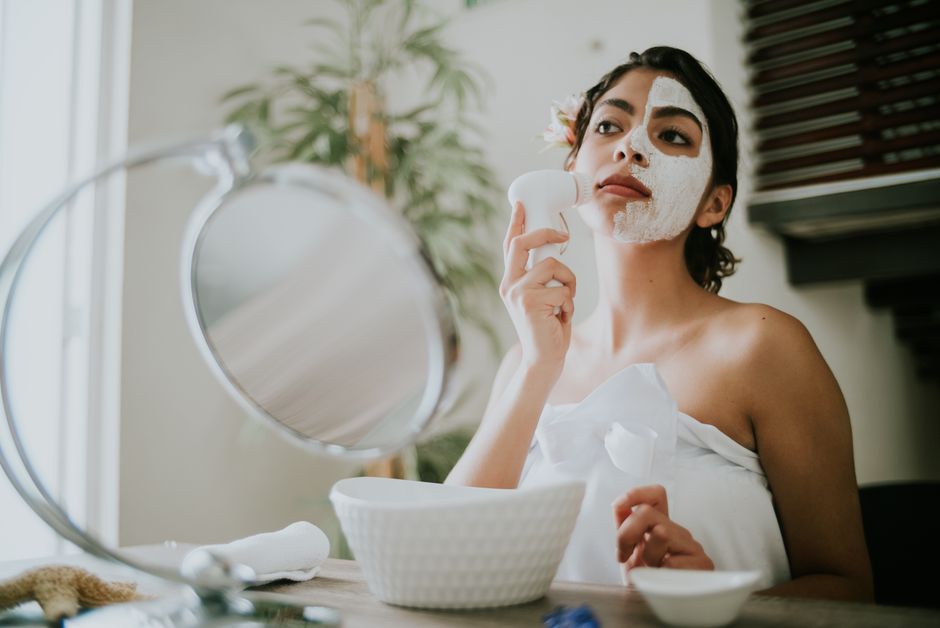
The big insight from Revitalize 2026, translated into actionable advice for your home routine, is this: rejuvenation works best when you approach it systematically rather than chasing individual products. Start by identifying your primary skin concern—whether that's loss of firmness, dullness, fine lines, or texture issues. Choose one stimulation device that addresses that concern and commit to using it consistently for 6-8 weeks before expecting visible results. Layer in hydration through serums or essences timed to your device use. Track subtle changes: how your skin feels in the morning, how makeup applies, how your complexion responds to sun exposure.
Most importantly, rejuvenation is a practice, not a product. The women seeing the most dramatic results at-home are those who treat their skincare ritual as a wellness habit—something they protect time for, remain consistent with, and understand will compound over months. That's the real message from Revitalize 2026. The tools exist. The science is solid. What matters now is your commitment to showing up for your skin consistently.
FAQ
How long does it really take to see rejuvenation results at home?
Most people notice subtle improvements—smoother texture, brighter complexion, more even tone—within 3-4 weeks of consistent use (3-5 times weekly). Visible changes in fine lines, firmness, or pore size typically emerge over 8-12 weeks. This is slower than professional treatments, but the results are often more sustainable because you're building the habit into your routine.
Can I combine multiple devices, or should I stick to one?
You can safely combine complementary devices. For example, pairing an LED mask with a hydration system or adding a facial sculptor after LED therapy is effective. However, avoid overloading your routine. Start with one primary device, establish consistency, then layer in others. More tools doesn't equal better results—consistency and proper technique do.
Is at-home rejuvenation suitable for sensitive or acne-prone skin?
Yes, but with care. Blue light and gentle red light can actually help reduce inflammation and acne-causing bacteria. Start with lower intensities and shorter sessions—even 1-2 minutes—and observe how your skin responds. If irritation occurs, reduce frequency rather than abandoning the device entirely. Professionals recommend consulting your dermatologist if you're using active acne medications alongside device treatments.
What's the difference between rejuvenation devices and professional treatments?
Professional treatments use higher intensities and multi-modality approaches in a controlled setting, so results appear faster. At-home devices work at lower intensities, making them safer for daily use, but require longer consistency timelines. Think of at-home rejuvenation as the sustainable, cumulative approach; professional treatments as the accelerated option when you need faster results.
Do I need to buy expensive devices to see rejuvenation results?
Quality and efficacy don't always correlate with price, but they often do. The most effective devices have been tested by professionals, are backed by clear claims, and offer proper wavelengths or technologies. Mid-range to premium devices in established brands tend to deliver better results than budget options, but even mid-range tools produce measurable rejuvenation when used consistently.
Sources
- FDA Guidance on Photobiomodulation and Light-Based Devices
- National Center for Biotechnology Information (NCBI) — Peer-Reviewed Research on LED Therapy and Skin Rejuvenation
- American Academy of Dermatology — Clinical Guidance on Home-Use Beauty Devices