

40 Amazing Gifts to Treat Yourself
The Case for Treating Yourself (and Why It Matters More Than Ever)
Here's something counterintuitive: the best gift you can give yourself isn't a luxury vacation or designer handbag—it's a tool that works for you every single day, inside your own home. While we've previously covered wellness staples like infrared sauna blankets, the landscape of at-home beauty and wellness technology has exploded in ways that make personal care more accessible, effective, and honestly, more enjoyable than ever before. The question isn't whether you deserve to invest in yourself; it's which tools will actually deliver results worth the investment.
Self-gifting has evolved from an indulgence into a form of self-respect. Women aged 25 to 45 are rethinking what wellness means, moving away from the idea that beauty and health treatments require trips to expensive spas or dermatology clinics. The rise of clinical-grade devices for home use means you can achieve professional results on your own schedule, without the commute, without the $300 facials, and without compromising on efficacy. This shift isn't just convenient—it's empowering.
The Basics: What Does It Mean to "Treat Yourself" With Technology?
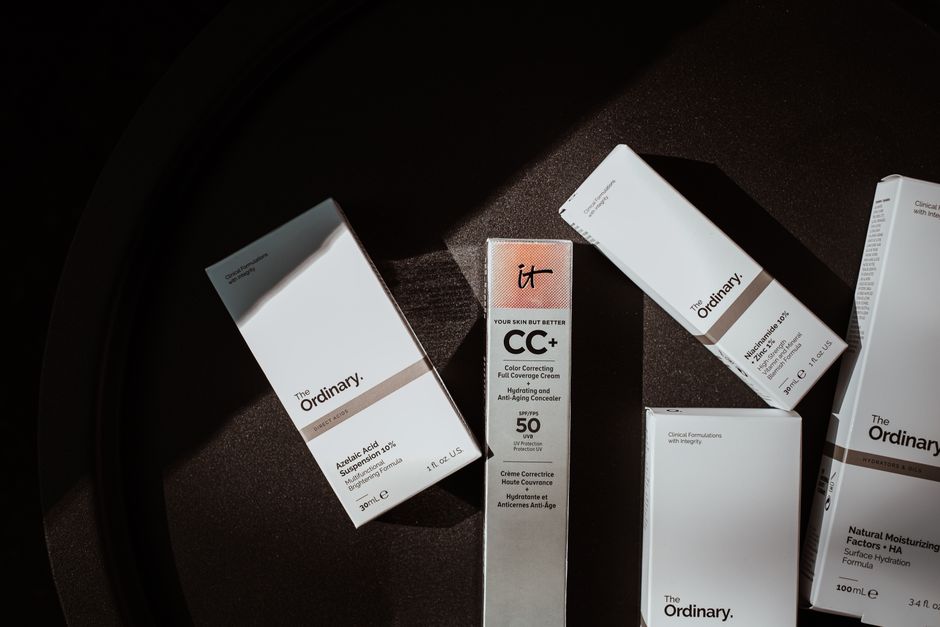
Treating yourself through at-home beauty and wellness devices means investing in tools that address your specific concerns—whether that's aging skin, acne, muscle tension, or general fatigue—using technology that's been tested and approved by professionals. Unlike disposable skincare products that run out every month, these devices are built to last, work consistently, and often deliver results you can measure.
The wellness industry has undergone a quiet revolution. Dermatologists, estheticians, and wellness experts now openly recommend at-home devices because the clinical evidence supports them. LED light therapy, for instance, uses specific wavelengths of light that penetrate the skin to stimulate collagen production, reduce inflammation, and target acne-causing bacteria. High-frequency technology works on acne by creating an antimicrobial environment. Red light therapy extends beyond facial skin care to support muscle recovery, joint health, and even hair growth. These aren't gimmicks—they're mechanisms backed by dermatological research.
What makes this category so compelling for self-gifting is that it bridges the gap between immediate gratification and long-term investment. You feel the difference after your first use, but the real transformation unfolds over weeks and months.
From Spa Luxury to Home Science: The Evolution of Personal Beauty Technology
A decade ago, at-home beauty devices were either cheap knockoffs or prohibitively expensive. Professional microdermabrasion machines cost thousands; LED masks were experimental; high-frequency wands were relegated to spas. The turning point came when clinical research validated these technologies and manufacturing costs dropped enough to make them accessible to everyday consumers without sacrificing performance.
Today's landscape includes devices with clinical-grade components—the same LEDs, the same frequencies, the same engineering principles—that professionals use, now designed for personal, consistent use. Dermatologists have shifted from dismissing these tools to recommending specific models to patients. This isn't because the technology suddenly became legitimate; it's because the evidence accumulated and the quality improved.
The psychological shift matters too. There's a meaningful difference between buying skincare products (which you consume and discard) and purchasing a device (which represents a commitment to yourself). It's a gesture that says: my wellness is worth protecting, maintaining, and prioritizing. That mindset shift often carries over into other areas of health and self-care.
How Light-Based and Frequency Technologies Actually Work on Your Skin and Body
Understanding how these devices work helps you choose the right ones and use them effectively. LED light therapy operates on a principle called photobiomodulation—the idea that specific wavelengths of light can trigger biological responses in your cells. Red light, typically between 630-700 nanometers, penetrates deep into the skin and stimulates mitochondria to produce more ATP (cellular energy), which accelerates collagen synthesis and reduces inflammation. Blue light, around 415 nanometers, targets acne-causing bacteria directly. Near-infrared light goes even deeper, supporting cellular repair and muscle recovery.
High-frequency technology works differently. It uses electrical current at high frequencies (typically 40,000 Hz or higher) to ionize oxygen and create an antimicrobial environment. When applied to acne-prone skin, this environment kills the bacteria responsible for breakouts without causing irritation—which is why dermatologists recommend devices like the BeautyPro 2.0 - High Frequency Wand for both active acne and post-breakout healing.
Massage and muscle-stimulation devices use vibration, heat, or microcurrent technology to relax muscle tension, improve circulation, and reduce inflammation in joints. The Lunara Light™ Multifunctional Smart Massager combines these mechanisms to address swelling and stiffness without requiring a trip to a physical therapist.
The key insight: these devices don't just feel good—they create measurable physiological changes. Consistent use compounds these effects over time.
Building Your Personal Beauty and Wellness Toolkit
The best approach to treating yourself isn't buying one expensive device and hoping it solves everything. Instead, think about layering complementary tools that address your priority concerns. Someone focused on anti-aging might start with a comprehensive LED mask like the Lunara Light™ LED GlowMask for Face & Neck, which covers multiple areas and uses 7-color LED therapy. Someone battling active acne would prioritize the high-frequency wand alongside a targeted LED device. Someone dealing with muscle tension and joint discomfort would invest in specialized massage technology.
The beauty of at-home devices is that they work synergistically. A LED therapy session prepares your skin, reduces inflammation, and boosts healing—then your other products absorb more effectively. A high-frequency treatment kills acne bacteria and calms irritation—then your skincare routine can focus on nourishment rather than fighting active inflammation. Massage and red light therapy improve circulation—which supports faster skin cell turnover and deeper penetration of other treatments.
Consider also the practical categories beyond facial skin care. Wellness devices like the Lunara Light™ Waist/Neck Pillow address everyday discomfort—back pain, tension, poor sleep support—that silently undermines your overall wellness. Hair removal technology like the Lunara Light™ Mini Home Hair Removal Device saves thousands of dollars and hours over a lifetime compared to salon appointments. These categories matter because self-care is holistic.
What This Means for You: Practical Steps to Start Treating Yourself Today
Begin by identifying your primary wellness concern. Is it facial aging, active acne, muscle tension, hair removal, or a combination? Once you've named it, choose one core device that directly addresses that issue. Use it consistently for at least 4 weeks before adding another tool—this gives you a clear sense of what's working and prevents overwhelming yourself with too many new habits at once.
Invest in understanding the device you choose. Read the manual, watch instructional content, and follow the recommended usage frequency. Most LED devices work best with 2-3 sessions per week, not daily. High-frequency wands are typically used 1-2 times weekly on problem areas. Massage devices can be used daily for 10-15 minutes. Consistency beats intensity.
Track your results. Take baseline photos of your skin or notes on how your body feels. Return to these after 4, 8, and 12 weeks. Real changes take time, but they're worth documenting because they reinforce your commitment to yourself and validate the investment.
Consider bundled solutions that combine complementary devices. The Lunara Light™ LED Therapy Portable Summer Bundle pairs two professional-grade devices for a complete approach without the commitment of buying multiple products separately.
FAQ
How long does it typically take to see results from at-home beauty devices?
Results vary by device type and individual factors like age, skin condition, and consistency. LED light therapy typically shows visible improvements in skin texture and radiance within 4-6 weeks of 2-3 weekly sessions. Acne improvements often appear within 2-3 weeks. Muscle tension reduction from massage devices can be felt immediately but structural changes take 6-8 weeks. Hair reduction from removal devices becomes noticeable after 4-6 treatments spaced 2-4 weeks apart.
Are these devices safe for sensitive skin or active conditions like rosacea?
Many devices are safe for sensitive skin, but it depends on the specific technology and your condition. LED light therapy is generally gentle—green and yellow wavelengths are particularly soothing and anti-inflammatory. High-frequency technology can be used on rosacea-prone skin but requires lower intensity settings. Always consult your dermatologist if you have active inflammatory conditions, especially if you're using prescription treatments like isotretinoin.
How do I choose between similar-looking devices?
Focus on clinical evidence, not marketing claims. Check whether a device has third-party testing, dermatologist recommendations, or peer-reviewed research supporting its specific wavelengths or frequency. Look for transparent specs (LED count, wavelength ranges, power output). Read reviews from verified purchasers who describe before-and-after results over weeks, not days.
Can I use multiple devices in the same routine?
Yes, but sequence matters. Start with cleansed, dry skin. Use high-frequency technology first if targeting acne. Then apply LED light therapy. Follow with serums or moisturizers while skin is still slightly warm—penetration is enhanced. Wait 10-15 minutes before applying sunscreen or makeup. Massage and muscle-work devices are best used separately, either in the morning or evening depending on your preference.
What's the actual cost comparison versus professional treatments?
Professional LED facials cost $150-$300 per session and require monthly consistency. A quality at-home LED device pays for itself after 3-4 professional sessions and works indefinitely with minimal maintenance. High-frequency wands ($100-$200) replace acne extraction appointments ($75-$150 each). Hair removal devices ($300-$500) eliminate the need for laser clinics ($150-$300 per session) or waxing ($30-$60 monthly). Over 5 years, home devices cost a fraction of salon-based treatments.
Sources
- National Center for Biotechnology Information (NCBI) - Peer-reviewed research on light therapy and dermatological applications
- U.S. Food and Drug Administration (FDA) - Device classification and safety clearance information
- American Academy of Dermatology - Professional guidelines on at-home device use and efficacy