

How Australians Achieve Glowing Skin at Home
The Moment I Realized I Was Doing Skincare Wrong
I was staring at my reflection on a Tuesday evening, wondering why my skin looked tired despite spending money on expensive creams and serums. I'd been applying products faithfully, but something was missing. While we've previously covered red light therapy in detail, today we're taking a different approach: I'm going to walk you through how to layer LED light therapy with your existing routine to unlock that coveted glow that Australian beauty enthusiasts have been raving about.
The secret isn't a single ingredient or product—it's about understanding how different light wavelengths work together, and using the right device at the right time. Over the past four months, I tested multiple approaches and learned what actually moves the needle. Let me show you exactly how to do it.
What You'll Need

- A multi-color LED therapy device (like the Lunara Light™ LED GlowMask for Face & Neck with 7-color options)
- Your regular cleanser and toner
- A lightweight serum or hydrating gel
- Sunscreen (for daytime use)
- A consistent 4-week commitment
- A quiet space where you won't be interrupted for 10–20 minutes
Step 1: Prep Your Skin Properly
Before any light therapy can work, you need a clean canvas. Cleanse your face and neck thoroughly with your regular cleanser, removing makeup, sunscreen, and impurities. Pat dry with a clean towel—don't leave your skin damp.
Why this matters
LED light works by penetrating the skin and triggering cellular responses. If dirt, oils, or product buildup are sitting on the surface, the light bounces off instead of delivering results. Think of it like trying to charge a phone with a cracked screen protector still on.
Pro tip
Apply a hydrating toner or a thin layer of serum to slightly damp skin before using your LED device. This creates an optimal environment for light absorption and prevents any drying sensation during treatment.
Step 2: Choose Your Light Wavelength Based on Your Goal

This is where most people stumble. Different colors of light do different things—and using the wrong one wastes your time.
Red light (620–700 nanometers)
Use red light 3–4 times per week if your goal is anti-aging, reducing fine lines, or boosting collagen production. I use this when my skin feels dull or when I've noticed early signs of fatigue.
Blue light (400–495 nanometers)
Blue light targets breakout-prone skin and bacteria. If you're dealing with active acne, use this 2–3 times per week. Fair warning: some people find blue light slightly drying, so follow up with a good moisturizer.
Amber or yellow light (590–620 nanometers)
These wavelengths reduce inflammation and are gentler on sensitive skin. I reach for amber when my skin feels reactive or irritated—usually after using a chemical exfoliant.
Green light (495–570 nanometers)
Green light is excellent for calming redness and evening out skin tone. If you're dealing with rosacea or post-inflammatory erythema, this is your friend.
Step 3: Position the Device and Set Your Timer
Place the LED mask or device on clean, prepped skin. Make sure it makes full contact with your face and neck—no gaps. If you're using a Lunara Light™ GlowMask PRO, adjust the strap for a snug but comfortable fit.
Duration matters
Most professional-grade devices work best for 10–20 minutes per session. Longer doesn't mean better. Set a timer and stick to it. I use my phone's timer so I'm not tempted to peek or cut it short.
Frequency guideline
Start with 3–4 sessions per week for the first 4 weeks. After that, you can reduce to 2–3 times weekly for maintenance. Your skin needs consistency to show real results, but it also needs recovery time.
Step 4: Establish a Routine Schedule and Stick to It

The magic happens when LED therapy becomes habit, not an afterthought. I do mine every Monday, Wednesday, Friday, and Sunday evening—right after my shower when my skin is clean and I can relax.
Pick your time
Evening is ideal because you won't be exposing your skin to direct sunlight immediately after (though LED light itself is not the same as UV exposure). However, morning sessions work too if consistency matters more to you than timing.
Stack it smartly
Use LED therapy before applying serums or heavier moisturizers. The light does its work best when it can penetrate, then you seal in hydration afterward. Avoid using it right after chemical exfoliants or strong actives like retinol—give those a night off or do LED therapy on alternate days.
Step 5: Track Results Over 4 Weeks
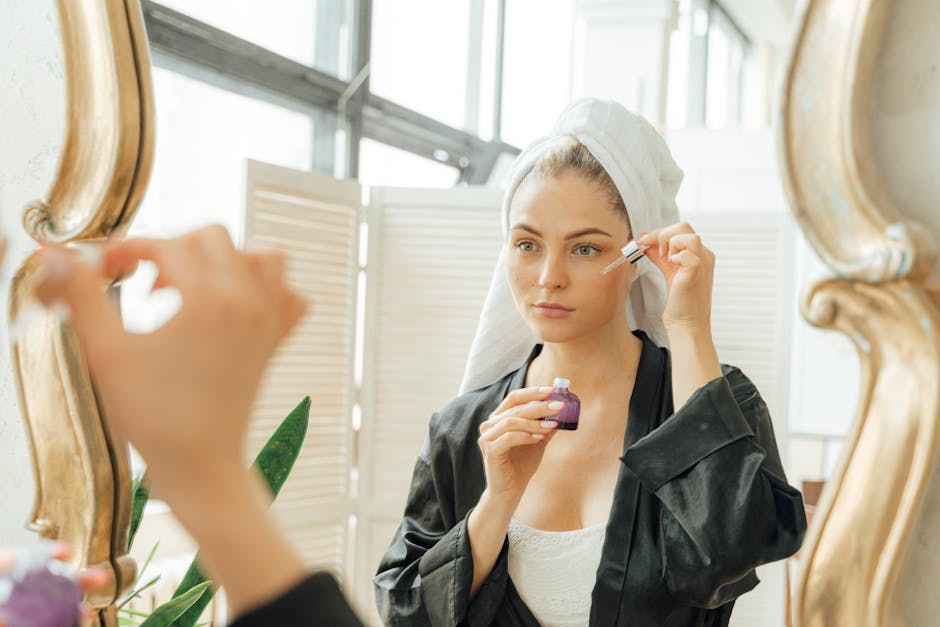
This is the step that convinced me this actually works. Take a photo of your face in natural light on Day 1, Week 2, Week 3, and Week 4. Compare them side by side.
What to look for
- Smoother texture and refined pores
- More even skin tone
- Reduced fine lines or softened appearance
- Improved radiance and glow
- Less redness or irritation (depending on which color you used)
Patience is key
Skin cells turn over roughly every 28 days, so the most dramatic improvements often appear in Week 3 and 4. If you see nothing by Week 2, resist the urge to increase duration or frequency. Let the process work.
Step 6: Optimize With Complementary Tools (Optional)
Once you've mastered the basics, you can amplify results by adding a second device. For example, pairing LED mask therapy with a handheld facial sculptor can target fine lines around the eyes and jawline more precisely. However, this step is optional—LED masks alone deliver excellent results.
Common Mistakes to Avoid

Using the device too frequently
More sessions don't equal faster results. In fact, overusing LED therapy can lead to skin irritation or a temporary increase in breakouts as your skin detoxifies. Stick to 3–4 sessions per week, especially when starting.
Skipping the moisture step afterward
LED therapy can temporarily increase transepidermal water loss (TEWL)—meaning your skin loses moisture. Always follow up with a hydrating serum and moisturizer to lock in benefits and prevent dryness.
Not giving it enough time
One or two sessions won't change your skin. Results compound over weeks, not days. If you quit after 10 days because you don't see anything, you're robbing yourself of the real transformation that happens in Week 3 and beyond.
Using conflicting products
Avoid combining LED therapy with strong acids (like glycolic or salicylic acid) on the same day. Space them out by at least 24 hours. Your skin barrier needs time to recover between intensive treatments.
FAQ
Is LED light therapy safe for all skin types?
Yes—LED light is non-invasive and non-ablative, meaning it doesn't remove skin or create open wounds. However, if you have photosensitivity, are pregnant, or take certain medications that increase light sensitivity, consult your dermatologist first. Most people experience zero adverse effects with proper use.
Can I use LED therapy if I have sensitive skin?
Absolutely. Start with amber or yellow light, which are gentler. Begin with 10-minute sessions, 2 times per week, then gradually increase as your skin adapts. Sensitive skin often responds beautifully to LED therapy once you find the right wavelength and frequency.
How soon will I see results?
Most people notice subtle improvements in skin texture and radiance by Week 2, with more dramatic results by Week 4. If you're targeting specific concerns like acne or redness, expect 6–8 weeks for meaningful change.
Do I need to stop using other skincare products?
No. LED therapy works alongside your existing routine. Just avoid using it simultaneously with very strong actives like retinol or strong chemical exfoliants. Separate them by 24 hours for optimal safety and results.
What's the difference between at-home and professional LED devices?
Professional devices may use higher intensity, but modern at-home devices—especially clinical-grade ones—deliver comparable results when used consistently. The key difference is professional treatments are faster (10–15 minutes vs. 20), but they're also more expensive and require ongoing appointments. At home, you control your schedule.
Sources
- Photobiomodulation in Health and Disease: A Systematic Review (Hamblin, M.R., Journal of Biomedical Optics)
- FDA Guidance on Light-Based Devices for Skincare
- American Academy of Dermatology: Patient Resources on LED Phototherapy