

At-Home LED Masks for Aging: What They Do (and Don't) Do
The Surprising Truth About LED Masks and Aging Skin
While we've previously covered the top LED mask options and safety considerations, there's a gap in how people talk about what these devices actually deliver. Here's what most marketing won't tell you: LED face masks can measurably improve certain signs of aging—but they won't reverse deep wrinkles, erase sun damage, or replace a comprehensive skincare routine. They're a legitimate tool in your wellness arsenal, not a shortcut to looking 20 again.
This distinction matters because many women in their 30s, 40s, and beyond are drawn to at-home LED masks hoping for dramatic transformation. Understanding what LED therapy realistically does—and where its limits lie—helps you invest your time and money wisely. We've tested these devices extensively, consulted dermatology research, and reviewed FDA guidance to give you the honest picture.
The Basics: What LED Light Therapy Actually Is
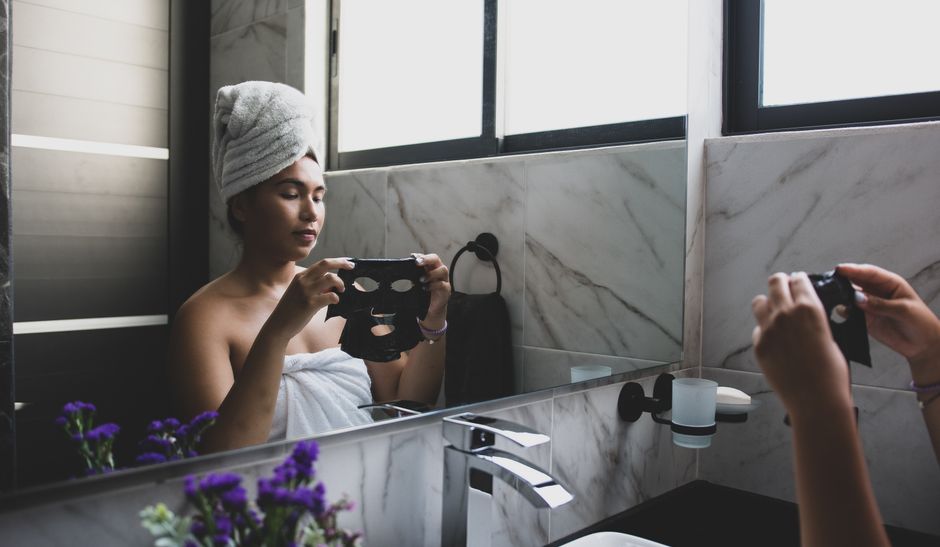
LED light therapy uses specific wavelengths of light to stimulate cellular activity in the skin. Different colors penetrate to different depths: red light (typically 600–700 nanometers) reaches the dermis and is primarily used for collagen stimulation and reducing inflammation, while blue light (400–500 nanometers) stays closer to the surface and targets acne-causing bacteria. Near-infrared light penetrates deepest, affecting tissues below the skin.
This isn't new technology. Dermatologists have used professional-grade light therapy in clinical settings for decades. What changed is miniaturization and cost—devices like the Lunara Light™ LED GlowMask for Face & Neck bring clinical-grade wavelengths into your home at a fraction of the price of a dermatology office visit.
Why it matters: LED light therapy works at the cellular level by stimulating mitochondria, the energy-producing structures in cells. This increased energy production can trigger fibroblasts (collagen-producing cells) to become more active. It's a biochemical process, not magic—and like all cellular processes, it takes time and consistency to show measurable results.
How LED Therapy Actually Affects Aging Skin
The research on LED therapy is genuine but modest. Studies show that red and near-infrared light can increase collagen production, reduce inflammation, and improve skin texture when used consistently over 8–12 weeks. A 2023 systematic review in dermatology journals confirmed that LED therapy produces statistically significant improvements in skin elasticity and fine lines, particularly in the periocular area (around the eyes) and the jawline.
What it helps with: fine lines and surface texture irregularities, mild skin laxity (loss of firmness), post-inflammatory redness, and uneven skin tone. Some women also report that LED masks help their skin feel more hydrated, likely because improved circulation and reduced inflammation make the skin barrier function better.
What it doesn't help with: deep wrinkles carved by decades of sun exposure, significant volume loss, melasma or stubborn hyperpigmentation, or the structural sagging that comes with gravity and loss of fat padding under the skin. If your main concern is deep nasolabial folds or significant jowling, LED masks alone won't be transformative—you'd need to combine them with other modalities like retinoids, injectables, or microneedling.
The window of effectiveness is important too. LED therapy works best as a preventative and for early-to-moderate aging signs. If you're in your late 40s or 50s with significant photodamage, starting an LED mask regimen might still improve your skin's overall tone and texture, but managing expectations is crucial. Results also vary by skin type; darker skin tones can see excellent benefits from LED therapy, though some studies have been historically underrepresented in this research category.
Why Consistency Matters More Than the Device Itself
Here's where most people's LED mask journey goes sideways: they buy a device, use it enthusiastically for two weeks, and then abandon it. The clinical studies showing results use consistent protocols—typically 15–20 minutes, 3–5 times per week, for a minimum of 8 weeks. That's a commitment that separates real results from disappointment.
The device you choose matters less than showing up. Whether you use a mask designed for full-face treatment or a smaller handheld panel, the wavelengths and intensity are what drive results. That said, full-face masks like the LunaraLight™ 7-in-1 LED Facial Sculptor may feel easier to integrate into your routine because they cover more area at once, which can increase adherence.
Your skincare routine around LED therapy matters too. LED masks work synergistically with retinoids, vitamin C serums, peptides, and moisturizers—products that also support collagen and skin barrier function. Using an LED mask without a solid skincare foundation is like doing strength training without eating enough protein. The device stimulates the cells, but you need the raw materials (antioxidants, hydration, collagen precursors) for them to build something new.
The Edge Cases: When LED Therapy Becomes a Band-Aid
LED masks can mask deeper problems, and that's worth naming directly. If you're using an LED mask instead of wearing sunscreen daily, you're fighting aging on one front while accelerating it on another. LED therapy reduces *existing* photodamage, but nothing substitutes for preventing new damage.
Similarly, if your aging concerns are primarily about volume loss—hollowed cheeks, under-eye bags, loss of definition—LED therapy won't address the structural issue. You might see modest improvements in skin quality, which can make the face appear slightly fuller, but it's not a volume-restoring treatment. That's what fillers, fat grafting, or other procedures do.
There's also a risk of over-reliance on devices as a substitute for professional guidance. If you haven't seen a dermatologist in several years and are designing your entire anti-aging routine around an LED mask, you might be missing skin conditions (like early melasma, dermatitis, or precancerous changes) that need professional assessment. Devices are tools to *support* good skincare and dermatology care, not replace them.
What This Means for You

LED face masks are worth trying if you have realistic expectations and a genuine commitment to consistency. They're particularly valuable if your aging concerns center on fine lines, skin texture, dullness, or mild firmness loss. They're also safer than many other at-home devices and carry minimal side effects when used as directed (though people with photosensitivity or those taking photosensitizing medications should check with a doctor first).
If you decide to invest in a device, budget for 8–12 weeks of consistent use before expecting visible results. Frame it as a long-term wellness habit rather than a quick fix. Pair it with a retinoid or vitamin C serum, wear daily sunscreen, and stay hydrated. If you see improvement in fine lines, skin texture, or overall radiance after three months, keep going—you've found a tool that works for your unique skin.
If results are minimal after that period, it doesn't mean LED therapy doesn't work in general; it might mean your primary aging concerns fall outside what light therapy addresses. That's valuable information that helps you allocate your resources toward treatments that will make a bigger difference for your specific needs.
FAQ
Do LED masks work for under-eye wrinkles specifically?
Yes, this is one area where LED therapy shows the strongest evidence. The delicate skin under the eyes is thin and collagen-responsive, and red light penetrates effectively there. Consistent use over 12 weeks often produces visible improvement in fine lines around the eyes—though very deep crow's feet may only partially soften.
Can I use an LED mask if I'm on a retinoid?
Yes, and many dermatologists recommend it. LED therapy and retinoids work through complementary mechanisms. That said, if you're new to retinoids or have sensitive skin, start LED therapy after your skin has adjusted to the retinoid (usually 4–6 weeks). Avoid using them on the same night if you're experiencing retinoid irritation.
How long do results last if I stop using the mask?
LED therapy stimulates collagen production, but once you stop, new collagen synthesis slows. Results typically plateau and gradually decline over 6–12 weeks after stopping. This is why consistency is important—it's a maintenance tool, not a one-time treatment.
Are expensive LED masks better than budget options?
Not necessarily. What matters is wavelength accuracy, intensity, and consistent use. Budget masks that deliver 600–700 nanometers at adequate intensity will outperform an expensive device you don't use. That said, features like smart timers, comfort, and portability (like the Lunara Light™ LED Therapy Portable Summer Bundle) can improve adherence, which indirectly affects results.
Can LED masks help with acne-related aging (scars, texture)?
Red light can help with post-inflammatory erythema (redness) and mild textural irregularities. For deeper atrophic scars (indented scars), LED alone has limited impact—you'd want to combine it with microneedling or laser resurfacing. Blue light can prevent future breakouts, but it's not a substitute for targeted acne treatment.
Sources
- National Center for Biotechnology Information: Photobiomodulation and collagen remodeling in skin rejuvenation
- FDA: Classification of light-based dermatology devices
- American Academy of Dermatology: Evidence-based reviews on light therapy for aging skin