

Are LED Masks Safe to Use? A Complete Guide
Hook: What Nobody Tells You About LED Mask Safety
In our recent article on everything you need to know about LED light therapy, we explored how different wavelengths work to rejuvenate skin and support wellness from home. But there's one question that stops women cold when they're about to hit "add to cart": Is this actually safe? The surprising answer is that LED masks are considered safe for most users when used properly—yet the safety profile depends entirely on the science behind the device, how you use it, and your individual skin type. This guide takes you deeper into what "safe" actually means in the world of LED therapy, beyond the marketing claims and into the clinical evidence.
The Basics: What Makes an LED Mask Safe
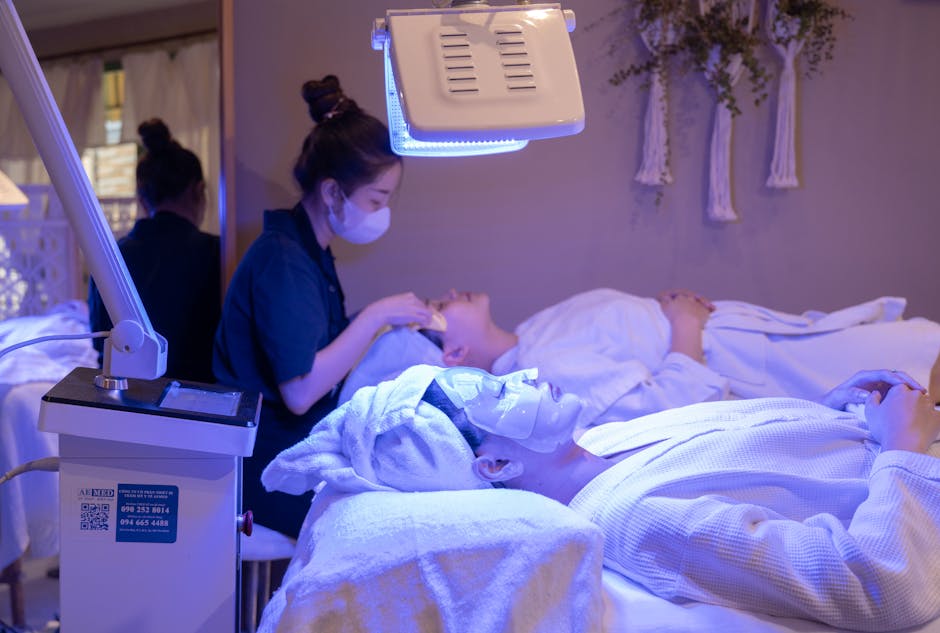
Before diving into the specifics, let's establish what safety means in this context. An LED mask is generally considered safe when it delivers light at wavelengths and intensities that do not damage skin cells, harm your eyes, or cause burns or scarring. Safety is measured through clinical trials, FDA clearance status, and long-term usage data from real users.
The FDA classifies LED devices for skin care as Class II or Class III medical devices, depending on their power output and intended claims. This classification system matters: it means the device has undergone scrutiny, and manufacturers must submit evidence that their products work as claimed and don't cause harm. When you're evaluating whether an LED mask is safe, checking for FDA clearance or 510(k) approval is one of your first indicators. A cleared device isn't necessarily "better," but it has passed a regulatory checkpoint that confirms safety and efficacy claims.
What makes LED therapy different from other at-home beauty tools is that it uses non-ionizing radiation—meaning it doesn't strip electrons from atoms like UV rays do. The light wavelengths used in LED masks (typically between 400 and 1100 nanometers) are far gentler than the ultraviolet light that causes sun damage. This fundamental difference in light type is why dermatologists broadly support LED therapy as a low-risk treatment modality, even for frequent use.
The Light Spectrum: Why Different Colors Have Different Safety Profiles
One reason LED mask safety discussions can feel confusing is that "LED therapy" doesn't mean one thing. The safety and effectiveness of an LED mask depend heavily on which colors of light it delivers. Each wavelength penetrates skin at a different depth and triggers different biological responses.
Red light (620–700 nanometers) and near-infrared light (700–1100 nanometers) are considered the safest and most well-researched for skin applications. Decades of clinical studies show these wavelengths stimulate collagen production, reduce inflammation, and improve circulation without damaging healthy skin cells. They're widely used in dermatology practices and have accumulated extensive safety data from both professional and at-home applications.
Blue light (400–500 nanometers), often used for acne-prone skin, is also generally safe but comes with a small caveat: excessive exposure over time may contribute to skin sensitivity in some users. This doesn't mean blue light is dangerous—it means that if you use a blue-light mask daily, you should monitor your skin's response and adjust frequency if needed. Yellow and green wavelengths sit in a middle ground: they're safe for most users, though clinical evidence around their efficacy is less robust than for red and near-infrared light.
The key safety consideration isn't the color itself, but the intensity (measured in milliwatts per square centimeter, or mW/cm²) and duration of exposure. A low-intensity red-light mask used for 15 minutes daily is dramatically safer than any device used for hours at maximum power. This is why responsible manufacturers include usage guidelines, and why reading the fine print matters more than the flashy marketing language.
FDA Clearance vs. Marketing Claims: Understanding What's Actually Been Tested

Here's where things get real: not all LED masks are created equal, and not all are FDA-cleared. Some manufacturers market powerful language about "skin rejuvenation" and "wrinkle reduction" without having submitted their device for regulatory review. Others have FDA clearance, which is a meaningful safety gate.
FDA clearance through the 510(k) process means the manufacturer has demonstrated that their device is as safe and effective as a legally marketed predicate device. This process involves submitting clinical and non-clinical data, specifications, and labeling information. It's not a rubber stamp—the FDA actually evaluates the evidence. If a device claims to reduce wrinkles, stimulate collagen, or treat acne, and it's FDA-cleared, there's at minimum some clinical evidence backing that claim.
That said, FDA clearance does not mean unlimited use is safe. Every cleared device comes with specific instructions for use: recommended session length, frequency, and distance from skin. These parameters exist for safety reasons. A device cleared for two 15-minute sessions per week may not be safe if used daily for an hour. The clearance covers the intended use, not every possible use pattern someone might try.
What this means in practical terms: when you're evaluating an LED mask for safety, check whether the manufacturer provides FDA clearance information upfront. Look for devices that include detailed usage instructions with specific time and frequency recommendations. Be skeptical of claims that sound too good to be true or that suggest more is always better. Responsible manufacturers, including those offering professional-grade devices, emphasize proper usage guidelines as part of the safety picture.
Real-World Safety: What Happens When People Actually Use LED Masks
Clinical trials and FDA clearance paint one picture of safety, but real-world data tells another story. When millions of women use LED masks at home, what actually happens? The reassuring news is that serious adverse events are exceedingly rare. Dermatologists report that LED mask users rarely experience burns, permanent skin damage, or systemic harm.
The most common side effects reported by regular users are mild and temporary: slight redness immediately after use (which typically resolves within minutes), temporary dryness in some users, or mild irritation if someone has particularly sensitive skin. These are not safety failures—they're within the expected range of a non-invasive treatment. Compare this to chemical peels, microdermabrasion, or even some topical ingredients, which carry higher rates of irritation and downtime.
Where real-world usage sometimes diverges from safety guidelines is in frequency and duration. Some enthusiastic users increase session length or use their masks more frequently than recommended, believing that more light equals faster results. This approach usually doesn't cause harm—it just doesn't translate into better outcomes. Your skin can only absorb and utilize so much light energy before it becomes inefficient. Using a device beyond recommended parameters wastes time without enhancing results and, in rare cases with very high-intensity devices, could theoretically cause minor inflammation or temporary sensitivity.
One specific population requires extra caution: people taking photosensitizing medications (like certain antibiotics, retinoids in high doses, or specific anti-inflammatory drugs) or those with light-sensitive skin conditions. If you fall into this category, consulting a dermatologist before using LED therapy is genuinely important, not just a legal disclaimer.
What This Means for You: How to Use LED Masks Safely

The evidence supports LED masks as a safe at-home treatment for most women when used correctly. Here's how to maximize safety while getting real results: Start by choosing a device from a reputable manufacturer that provides clear usage instructions and ideally, FDA clearance information. The full range of available devices varies widely in power, features, and intended use, so match the device to your specific goals rather than defaulting to the most powerful option.
Follow the manufacturer's recommended session length and frequency. If you're new to LED therapy, start at the lower end of the recommended range and observe how your skin responds over two to three weeks. Most people see skin changes gradually—not overnight—so patience is your friend here. Read the usage guidelines even if they seem repetitive; they exist because manufacturers have tested what works safely and effectively.
If you have sensitive skin, reactive skin, or are currently using strong topical treatments (like prescription retinoids or chemical exfoliants), ease into LED therapy. Consider starting with lower-intensity devices or shorter sessions. If you experience persistent redness, significant dryness, or any irritation that doesn't resolve within a few hours, reduce frequency or skip sessions temporarily. This is how you learn what your individual skin tolerates.
Never stare directly into LED lights, though most modern masks have shielding that makes this difficult anyway. If you wear contact lenses, remove them during sessions—this is a sensible precaution even though LED light itself won't harm your eyes. And while LED therapy is safe during pregnancy for most women, consulting your OB/GYN first is the responsible move, since individual circumstances vary.
Consider complementing your LED mask routine with the right knowledge base. Resources like the Lunara Light LED guidebook break down how different wavelengths work and why timing matters, helping you understand not just what to do, but why it works. This kind of informed use makes the treatment more effective and safer, because you're working with your device intentionally rather than hoping for results.
FAQ
Can you use LED masks every day?
Most FDA-cleared LED masks are designed for 3-5 sessions per week, not daily use. That said, many low-intensity devices are safe for daily short sessions. Check your specific device's guidance. Daily use doesn't necessarily deliver faster results—your skin has a threshold for light absorption. Starting conservatively and observing your skin's response is smarter than pushing frequency.
Do LED masks work through makeup or sunscreen?
LED light doesn't penetrate through makeup or heavy sunscreen effectively. For best results, use your LED mask on clean skin. This is a practical consideration more than a safety one, but it's worth knowing because it affects how you'll integrate the treatment into your routine.
Are LED masks safe for all skin types?
LED therapy is generally safe across skin types, though some wavelengths work better for specific concerns. Red and near-infrared light work well for all skin types. If you have very reactive or sensitized skin, start slowly. If you have active eczema or rosacea, consult a dermatologist first—LED therapy is often helpful for these conditions, but personalized guidance matters.
What's the difference between a home LED mask and a professional one?
Professional-grade devices used in dermatology offices typically deliver higher intensity and sometimes broader wavelength ranges. Home devices are calibrated to be safe for unsupervised use. A high-quality home LED mask with consistent usage often delivers comparable results to occasional professional treatments, making it a practical option for long-term skin health.
Can LED masks cause skin cancer?
No. LED light is non-ionizing radiation, which means it doesn't damage DNA in the way that UV light does. There is no mechanism by which LED therapy at the wavelengths and intensities used in home devices would increase skin cancer risk. This is a fundamental difference from tanning beds, which use UV radiation.
Sources
- FDA: How Devices Are Classified
- Journal of Clinical and Aesthetic Dermatology: Low-level laser (light) therapy (LLLT) for treatment of hair loss
- American Academy of Dermatology: Patient-Centered Resources on Light-Based Therapies