

The 'Terrifying' Beauty Trend That Actually Works
The Hook: Why High-Frequency Treatment Sounds Scary (But Shouldn't)
If you've scrolled through beauty feeds recently, you've probably encountered videos of women holding strange wand-like devices to their faces while accompanied by ominous buzzing sounds and the kind of special effects you'd see in a sci-fi thriller. The comments are always the same: "That looks terrifying," "Is that safe?" and "Why would anyone do that to their skin?" While we've previously covered whether at-home beauty tools are worth the investment in a broader sense, this article dives deep into one specific trend that deserves its own spotlight—high-frequency treatments—and why the initial fear reaction is actually backwards.
The truth? High-frequency technology has been used in professional dermatology and esthetician practices for decades. What's "terrifying" about it is purely theatrical. The device itself is harmless, the sensation is unusual but not painful, and the results are legitimately impressive. Yet because it looks dramatic and unfamiliar, it triggers skepticism in people who would never hesitate to apply chemical exfoliants or use other far more aggressive treatments.
The Basics: What High-Frequency Wands Actually Do
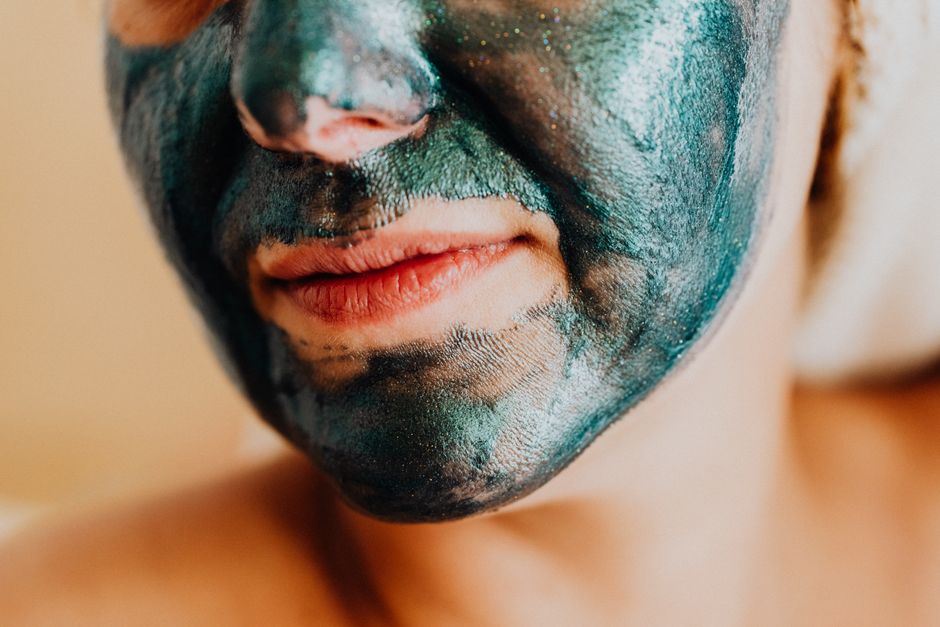
High-frequency devices emit radiofrequency energy—think of it as electrical oscillations that vibrate at frequencies between 100,000 and 2,000,000 cycles per second. When applied to skin through specialized glass electrodes, this energy creates a thermal and mechanical effect that activates the skin's natural healing response. The device warms the skin gently, increases blood circulation, and stimulates cellular turnover without creating visible injury or requiring recovery time.
The reason high-frequency matters in your skincare routine is straightforward: it addresses multiple concerns simultaneously. For acne-prone skin, the oscillating energy disrupts the bacteria that thrive in oily, congested pores—without the irritation that comes with harsher acne treatments. For aging skin, the increased circulation and collagen stimulation work to improve texture and firmness. For sensitivity or redness, certain settings can calm inflammation and reduce visible redness. Unlike chemical peels or laser treatments, high-frequency doesn't strip your skin barrier or require downtime. You can do a treatment and go straight back to your day.
Where It Came From: A Professional Tool Goes Home
High-frequency technology didn't just appear on TikTok last year. Dermatologists and estheticians have been using high-frequency devices since the early 1900s, when the technology was first applied to dermatological conditions. For most of the 20th century, it remained a professional-only tool—something you'd experience during a facial at a luxury spa or during a dermatology appointment. The cost was high, access was limited, and the devices themselves were bulky and required professional handling.
The shift happened as consumer beauty technology evolved. Companies began miniaturizing these devices, improving safety features, and developing at-home versions that maintained the same effectiveness as professional-grade equipment. The "terrifying" aesthetic—the glow, the buzzing, the electrode tips—remained the same. But now it was in your hands, affordable, and backed by the same clinical foundation that made it a staple in professional practice.
What's interesting is that this mirrors the path of many now-commonplace beauty devices. Red light therapy panels, microcurrent wands, and even LED masks followed the same trajectory: professional tool → home version → viral trend. High-frequency just came with better theatrics.
How It Actually Works: The Science Behind the Buzz
Understanding the mechanism helps dissolve the fear. When you apply a high-frequency wand to your skin, the electrical current ionizes oxygen molecules in the air between the electrode and your skin. This creates a gentle, controlled thermal effect—your skin warms slightly, never uncomfortably. The oscillating frequency increases blood flow, which delivers more oxygen and nutrients to the treatment area. Simultaneously, the mechanical vibration stimulates your skin's fibroblasts, the cells responsible for producing collagen and elastin.
For acne specifically, the mechanism is both thermal and biological. The warmth and increased circulation help the skin's natural immune response attack acne-causing bacteria. The electrode used (typically a "mushroom" or "comb" tip for acne) ensures the energy reaches deep into pores without damaging the surrounding skin. Research on high-frequency use for acne shows significant improvements in lesion count and inflammation within 4-6 weeks of regular use, often outperforming benzoyl peroxide without the associated dryness and irritation.
The key insight is this: high-frequency works *with* your skin's natural processes, not against them. It's not destructive; it's activating. That's why dermatologists can recommend it confidently, and why there's so little risk of adverse effects when used as directed.
Best Practices Today: How to Use High-Frequency Without Fear
Modern high-frequency devices for home use come with different intensity levels and specialized electrode tips for different skin concerns. If you're new to the technology, starting slowly is important—not because it's dangerous, but because your skin needs time to adapt to the increased cellular activity. Most dermatologists recommend beginning with 2-3 minute sessions, 3-4 times per week, gradually increasing duration as your skin becomes accustomed.
For acne-prone skin, the comb or mushroom electrodes target oil and bacteria in congested areas. You'd typically glide these gently across affected zones after cleansing and before applying serums or treatments. For general skin rejuvenation or aging concerns, the mushroom electrode applied across the face increases overall collagen production and improves texture. Some devices, like the BeautyPro 2.0 High Frequency Wand, come with dermatologist-recommended settings specifically calibrated for acne elimination, removing the guesswork entirely.
The critical practices: always start with clean, dry skin; never use high-frequency if you have active infections, implanted pacemakers, or are pregnant; and be consistent. High-frequency isn't a one-time solution—it's a regular treatment that compounds in effect over weeks. Most users report visible improvements in skin clarity, texture, and firmness within 4-6 weeks of consistent use.
The Limitations and Edge Cases: It's Not Magic
High-frequency is effective, but it's not a cure-all. Deep cystic acne that requires hormonal intervention won't disappear with a wand alone. Severe scarring, deep wrinkles, or extreme sun damage may need more aggressive professional treatments. High-frequency works best for mild-to-moderate acne, early signs of aging, surface-level texture issues, and general skin health maintenance.
Additionally, certain skin types and conditions aren't suitable for high-frequency. If you have rosacea with active flare-ups, using high-frequency could theoretically increase inflammation during that period (though some users find it helpful during calm phases). Metal implants can interact with the electrical current, making the device unsafe. And if you're using prescription acne medications like isotretinoin, you should consult your dermatologist before adding high-frequency to your routine, simply to ensure layered treatments don't overwhelm your skin.
The other edge case is expectation management. High-frequency accelerates your skin's natural processes; it doesn't rewire them. If your acne is driven by hormonal fluctuations, diet, or underlying health conditions, the device will manage the skin symptoms beautifully but won't address the root cause. It's a complementary tool, not a replacement for comprehensive skincare or medical treatment when needed.
What This Means for You
The "terrifying" appearance of high-frequency wands is purely presentation. The technology is safe, clinically proven, and backed by nearly a century of dermatological practice. If you're struggling with acne that doesn't respond to standard treatments, noticing early signs of aging, or simply wanting to optimize your skin health, high-frequency is worth considering—not as a gimmick, but as a legitimate addition to your beauty routine.
The fact that it looks dramatic and sounds intense is actually part of its appeal. It signals that something real is happening. And in this case, something real *is* happening. Your skin is being stimulated, blood flow is increasing, and cellular regeneration is accelerating. The buzz and glow aren't side effects—they're evidence of the device doing exactly what it's designed to do.
Start with a quality device at a reasonable price point, be patient with the adjustment period, and track your results honestly over 4-6 weeks. You'll likely find that the initial apprehension melts away the moment you see the results. The scariest beauty trends are often the ones that work best.
FAQ
Is high-frequency treatment safe for sensitive skin?
High-frequency is actually well-tolerated by sensitive skin when used properly. The key is starting at the lowest intensity setting and using it infrequently at first (once or twice per week) to allow your skin to acclimate. Unlike physical or chemical exfoliants, high-frequency doesn't damage the skin barrier—it stimulates natural healing. However, if you have active dermatitis or eczema, it's worth consulting a dermatologist first to ensure it won't aggravate your specific condition.
How long does it take to see results?
Most users begin noticing changes in skin clarity and texture within 2-3 weeks of consistent use. More dramatic improvements in acne lesion count or skin firmness typically appear after 4-6 weeks. Results continue to compound with ongoing use. The key is consistency—sporadic use won't deliver the same benefits as a regular routine.
Can you use high-frequency with other skincare treatments?
Yes, high-frequency integrates well into most skincare routines. Apply it to clean, dry skin, then follow with your usual serums and moisturizers. Avoid using it the same day as chemical exfoliants or retinoids initially, as your skin may become over-stimulated. Once your skin adapts, many users combine high-frequency with other treatments, but spacing them out (high-frequency on Monday/Wednesday/Friday, retinoids on Tuesday/Thursday, for example) prevents irritation.
What's the difference between at-home and professional high-frequency treatments?
Professional treatments use slightly higher intensity and often extend the session duration, delivering faster results. However, quality at-home devices deliver clinically comparable results over time because you use them consistently in your own routine. The main advantage of professional treatments is speed; the main advantage of at-home use is accessibility and long-term cost-effectiveness.
Does high-frequency work for types of acne other than bacterial acne?
High-frequency is most effective for inflammatory and bacterial acne. It's less effective for purely hormonal acne or comedonal (non-inflammatory) acne, though many users still see improvement. If your acne is primarily hormonal, high-frequency works best as a complementary tool alongside other treatments that address the underlying hormone fluctuations.
Sources
- National Center for Biotechnology Information (NCBI) — Peer-reviewed studies on radiofrequency and high-frequency treatments for acne and skin rejuvenation
- U.S. Food and Drug Administration (FDA) — Classification and safety guidelines for electrical dermatological devices
- American Academy of Dermatology (AAD) — Professional recommendations for at-home and professional high-frequency devices in dermatological practice