

Dermaplaning at Home: Why Skin Experts Recommend It
The Counterintuitive Truth About Scraping Your Face
You've likely heard that exfoliation is non-negotiable for glowing skin—but here's what catches most people off guard: the most effective form of physical exfoliation available to use at home isn't a scrub, brush, or vibrating pad. It's a technique called dermaplaning, which involves using a specialized blade to gently scrape away dead skin cells and fine facial hair. While it might sound intense, dermaplaning has quietly become one of the most recommended treatments by skin professionals, and it's a completely different category from the lifting and sculpting devices we've previously covered. The reason? It works at the surface level—preparing your skin to absorb everything else you apply, while creating an immediately visible smoothness that other methods simply can't match.
The Basics: What Dermaplaning Actually Does

Dermaplaning is a manual exfoliation technique that uses a sterile, surgical-grade blade held at a 45-degree angle to the skin. The blade removes two things simultaneously: the outermost layer of dead skin cells (the stratum corneum) and fine vellus hair, commonly called "peach fuzz." The result is skin that feels incredibly smooth to the touch and appears more radiant because light reflects more evenly off the freshly exposed surface. This isn't the same as microdermabrasion, which uses mechanical abrasion, or chemical exfoliation with acids—dermaplaning is purely mechanical but requires a very specific technique to be both effective and safe. When done correctly, it's non-invasive, requires no downtime, and can be performed on all skin types, including sensitive skin, because there's no heat, chemicals, or suction involved. The reason it matters so much in a skincare routine is that it removes the barrier of dead cells that prevents serums, moisturizers, and treatments from penetrating deeply—making everything else you apply work harder.
A Brief History: From Dermatology Clinics to Your Bathroom
Dermaplaning has been used in professional dermatology and aesthetics for decades, traditionally performed by licensed estheticians and dermatologists during in-office facials. The technique gained popularity in Asia much earlier than in Western markets, where it became a staple of Korean skincare routines under the name "facial shaving." For years, at-home versions were limited to simple razors or poorly designed tools, which made the technique risky for self-application. Over the past 10 years, the beauty tech industry has invested heavily in creating safer, purpose-built at-home dermaplaning tools that feature blade guards, ergonomic handles, and precision angles to make the technique accessible without requiring a professional license. This democratization of the technique means that the same exfoliation benefit once reserved for expensive monthly facials is now available for a one-time purchase—one reason it's become so popular among women managing their skincare at home.
How Dermaplaning Works on a Cellular Level
To understand why dermaplaning is so effective, it helps to know what's happening beneath the surface. Your skin naturally sheds dead cells every 28 days or so, but this process slows down with age, sun damage, and environmental stress. When dead cells accumulate, they sit on top of your living skin like a dull, opaque layer—this is why skin can look tired or uneven even when you're well-rested. Dermaplaning accelerates this natural shedding process by physically removing that barrier, which immediately exposes the fresher, more reflective cells underneath. This triggers a mild inflammatory response that signals your skin to increase collagen and elastin production over the following weeks. Additionally, removing vellus hair means your other skincare products can make direct contact with skin, rather than being trapped on top of hair—this is why many people report that their serums and treatments suddenly feel more effective after dermaplaning. The blade doesn't damage living tissue when used correctly; it only removes what's already dead or about to shed anyway. This is fundamentally different from aggressive physical scrubs, which can create micro-tears and compromise the skin barrier.
Current Best Practice: How to Dermaplaning Safely at Home
The key to safe at-home dermaplaning is understanding that technique and tool quality matter far more than aggressiveness. A proper dermaplaning tool should have a very short, single-use or replaceable blade with a safety guard to limit how much blade is exposed. The angle of application is critical—45 degrees is the golden standard—and the motion should always be gentle, feathering strokes rather than pressing or scrubbing. Most professionals recommend dermaplaning once every three to four weeks, never more frequently, because over-exfoliation can strip the skin barrier and cause sensitivity. The best time to dermaplaning is after cleansing with a gentle cleanser, on completely dry skin. Immediately after, your skin is more vulnerable, so it's crucial to apply a hydrating serum and moisturizer, and absolutely use sunscreen the next day because freshly exfoliated skin is slightly more sun-sensitive. If you have active acne, open wounds, severe rosacea, or are using tretinoin or other prescription exfoliants, dermaplaning should be avoided or discussed with a dermatologist first. For those without contraindications, the immediate results—silky smooth skin, better product absorption, and a healthy glow—make it a cornerstone treatment that most skin professionals recommend rotating into a routine monthly.
Where Dermaplaning Fits Into Your Broader Skincare Tech Routine
While dermaplaning excels at exfoliation and preparation, it's most powerful when combined with other skincare technologies. After dermaplaning, your skin is primed to absorb active treatments like LED light therapy, which can then penetrate more effectively to target deeper concerns like fine lines, hyperpigmentation, or inflammation. Many users find that pairing dermaplaning with a device like the Lunara Light™ LED GlowMask for Face & Neck amplifies results significantly because the light can reach deeper layers without the barrier of dead cells blocking its wavelengths. Similarly, if you're using microcurrent technology or other lifting devices, dermaplaning first removes the dull, dead-cell layer that can prevent those devices from making optimal contact with living tissue. The synergy between physical exfoliation and light-based or electrical treatments is well-documented among skin professionals—each technique prepares the skin for the next, creating a cumulative benefit that's more powerful than any single treatment alone. This is why a well-rounded at-home skincare tech routine typically includes a monthly dermaplaning session as a foundational step, followed by targeted treatments for specific concerns.
What This Means for You
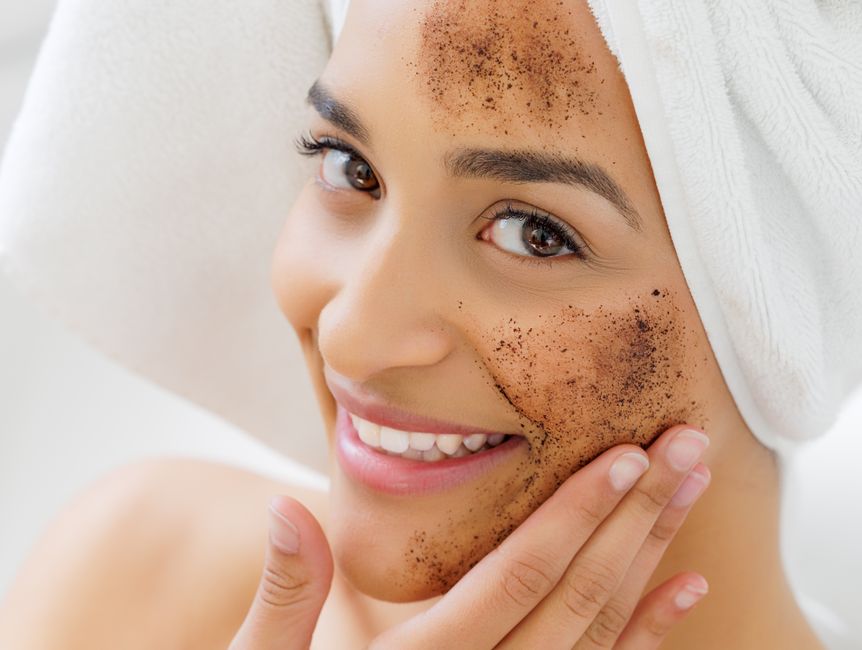
If you're serious about achieving visibly radiant, smooth skin at home, dermaplaning deserves a place in your routine—not as a replacement for cleansing and moisturizing, but as a monthly amplifier that makes everything else work better. The investment is minimal compared to professional facials, the learning curve is short, and the results are immediate and cumulative. Start by choosing a tool designed specifically for safe at-home use, not a regular razor. Approach your first session with patience, using gentle pressure and light, feathering strokes. Pay attention to how your skin feels over the following days—if you experience irritation, extend the time between sessions to six weeks. Track the changes in how your other skincare products absorb and how your skin looks under natural light. Most importantly, think of dermaplaning as a preparatory step that unlocks the full potential of your other skincare investments, whether those are serums, moisturizers, or more advanced tools like LED therapy devices. When dermaplaning becomes a regular habit, you'll notice that fine lines appear softened, skin tone looks more even, and that elusive "glow" that everyone talks about becomes your new normal.
FAQ
Is dermaplaning safe for sensitive skin?
Yes, when done correctly with the right tool and technique, dermaplaning is actually quite gentle on sensitive skin because it doesn't involve heat, chemicals, or suction—all of which can trigger reactions. The key is using a tool with proper blade guards, applying minimal pressure, and spacing sessions at least three to four weeks apart. If you have active inflammation or conditions like severe rosacea, consult a dermatologist first to ensure it's appropriate for your specific situation.
Will dermaplaning make my vellus hair grow back thicker or darker?
No, this is a common myth. Vellus hair is fine and light by nature, and shaving or dermaplaning it doesn't change its growth cycle or thickness. Hair only appears thicker or darker after removal because the blunt edge of the newly growing hair is more visible than the tapered tip of hair that grew naturally. This effect fades as the hair grows out.
How often should I dermaplaning?
Most dermatologists recommend dermaplaning once every three to four weeks. This aligns with your skin's natural cell turnover cycle and prevents over-exfoliation, which can compromise the skin barrier. If you have very sensitive skin, extending this to every six weeks is perfectly fine.
Can I use dermaplaning if I'm on tretinoin or other retinoids?
Tretinoin and retinoids are already exfoliating, so combining them with dermaplaning too frequently can over-exfoliate. It's best to space dermaplaning sessions further apart when using these actives, or discuss the timing with your dermatologist to ensure your skin barrier stays healthy.
What products should I use immediately after dermaplaning?
After dermaplaning, your skin is more permeable and slightly more sensitive. Apply a gentle hydrating serum or essence, followed by a nourishing moisturizer. Avoid any active ingredients (acids, vitamin C, retinoids) for at least 24 hours. The next day, use a broad-spectrum SPF 30 or higher because freshly exfoliated skin is more sun-sensitive.
Sources
- American Academy of Dermatology - Professional Guidelines on Mechanical Exfoliation
- National Institutes of Health - Skin Barrier Function and Exfoliation Studies
- FDA Medical Device Classification - At-Home Skincare Tools