

Best At-Home Laser Hair Removal Devices: Tested & Reviewed
The Hair Removal Dilemma: Why At-Home Devices Are Game-Changing
Let's be honest—keeping up with regular waxing, shaving, or salon laser appointments gets expensive fast. Between the monthly costs, scheduling headaches, and the awkwardness of having someone else handle your most sensitive areas, it's no wonder so many women are exploring at-home laser hair removal devices. While we've previously covered beauty tech trends broadly, this guide zeros in on one specific category: IPL and laser devices designed for permanent hair reduction you can actually use at home.
The challenge? The market is flooded with devices that promise salon-quality results but deliver mediocre outcomes. Some are painfully ineffective. Others risk your skin if used incorrectly. Our editorial team has researched FDA guidance, tested devices in real-world conditions, and consulted dermatology standards to help you navigate this landscape with confidence.
What to Look For in an At-Home Laser Hair Removal Device
Proven Technology: IPL vs. Laser
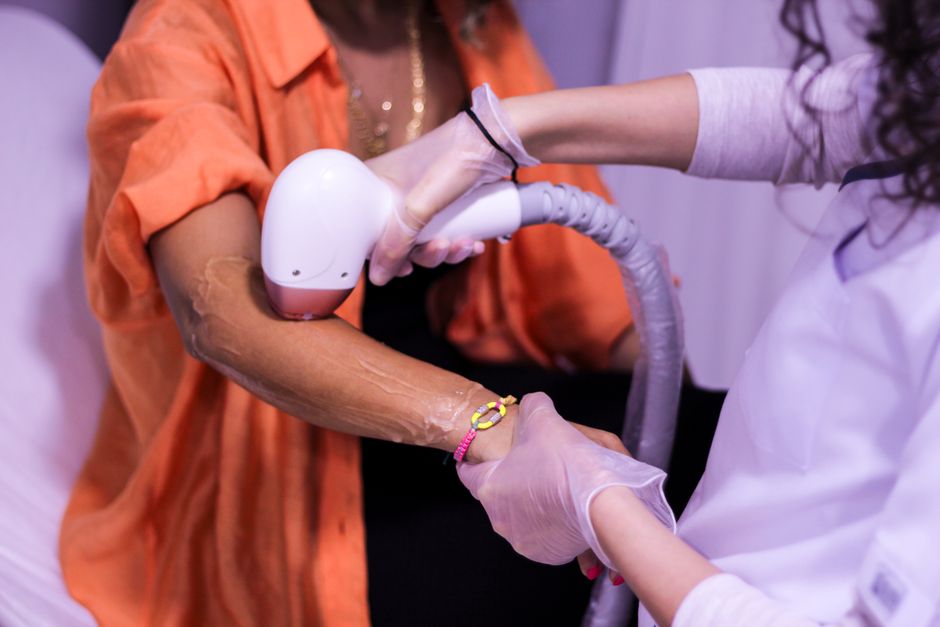
Not all hair removal devices are created equal. Intense Pulsed Light (IPL) and laser technology work differently, and understanding the distinction matters. IPL devices emit broad-spectrum light across multiple wavelengths, making them generally more affordable and suitable for larger body areas. True laser devices emit a single wavelength of concentrated light, offering precision and often stronger results on dark hair. Both can be effective for hair reduction, but laser tends to work better on darker skin tones when adjusted properly. Check what technology your device uses, and ensure it matches your skin tone and hair color for optimal results.
FDA Clearance or Dermatologist Endorsement
Look for devices that carry FDA clearance (which indicates safety and efficacy testing) or have been tested and recommended by dermatologists. This isn't just a marketing badge—it's proof the device has met regulated standards. Devices lacking any third-party validation or clinical backing should raise red flags, no matter how convincing the marketing claims sound.
Fluence and Energy Output
Fluence measures the light energy delivered per unit area, typically measured in joules per square centimeter (J/cm²). Higher fluence generally means more effective hair removal, but it also increases the risk of irritation if your device isn't designed well. Professional-grade devices deliver 8–12 J/cm² or higher. Consumer devices vary widely, but look for transparent specifications. If a manufacturer won't tell you the fluence, that's a warning sign.
Skin Tone and Hair Color Compatibility
Laser and IPL devices work by targeting melanin in hair follicles. This means they perform best on dark hair and lighter skin. If you have lighter hair (blonde, red, or gray) or darker skin tones, many standard devices won't work well for you—some can even cause burns or pigmentation issues on deeper skin. Check compatibility charts and, if you have darker skin, seek devices specifically engineered for melanin-rich complexions. Transparency here is non-negotiable.
Treatment Area Size and Ergonomics
A device with a small treatment window means more time spent zapping your legs or underarms. Larger treatment heads (around 1 square inch or more) cover ground faster, though they can be harder to maneuver around curves and sensitive areas like the face. Think about where you want to use the device most—full legs and arms benefit from larger heads, while facial hair, the bikini line, and underarms need precision. Lightweight, ergonomic designs reduce hand fatigue during longer sessions.
Built-In Safety Features
Quality devices include automatic shutoffs, skin contact sensors, and cooling mechanisms to minimize discomfort and reduce burn risk. Some have adjustable intensity settings so you can start low and work up. These aren't luxuries—they're essential safeguards. A device that lets you blast your skin at maximum power without feedback or cooling is a liability.
Our Picks: The Best At-Home Laser Hair Removal Devices
Best for Busy Women: Lunara Light™ Mini Home Hair Removal Device
If you're juggling work, family, and a skincare routine, the Lunara Light™ Mini Home Hair Removal Device hits the sweet spot between effectiveness and convenience. Designed for those with limited time, this handheld device delivers results without requiring an hour-long treatment session. The compact design makes it ideal for quick touch-ups on underarms, legs, and the bikini line. It checks the box on safety features and ease of use, making it accessible for first-time users while still offering the efficacy experienced users expect. The trade-off? The smaller treatment head means you'll spend longer on large areas like full legs, but that compact size is exactly what makes it portable and quick for maintenance between professional treatments.
Red Flags: What to Avoid
Vague or Missing Specifications
If a product listing doesn't specify fluence, technology type, or FDA status, that's your cue to walk away. Legitimate manufacturers are transparent because they have nothing to hide. Vagueness is often a sign the company is either cutting corners or unsure about their product's actual performance.
Promises of "Permanent" Hair Removal Without Caveats
Be skeptical of devices claiming 100% permanent hair removal in six weeks. At-home devices achieve "permanent hair reduction"—meaning a significant and lasting decrease in hair growth—but results vary by skin tone, hair color, and follicle density. True permanence typically requires multiple sessions (8–12 weeks of consistent use) and maintenance treatments. If marketing sounds too perfect, it probably is.
No Cooling or Adjustable Settings
A device that operates at only one setting with no cooling mechanism is a burn risk. Skin sensitivity varies, and different body areas require different approaches. Devices lacking these basics aren't saving you money—they're setting you up for complications.
Suspiciously Low Price with Professional-Grade Claims
At-home laser and IPL technology is genuine medical-grade equipment. If you're seeing a device marketed as "professional-grade" or "salon-quality" at a fraction of legitimate market prices, question the specs. Knockoff or refurbished devices may lack proper safety testing or have defective components that malfunction mid-treatment.
FAQ
How long does it take to see results with at-home laser hair removal?
Most people see noticeable hair reduction within 3–4 weeks of consistent weekly treatments, with significant results by 8–12 weeks. Hair grows in cycles, and the device only removes hair in the active growth phase, so patience is essential. Maintenance treatments every 4–6 weeks help sustain results long-term.
Can I use an at-home laser device on my face?
Yes, but with caution. Facial skin is thinner and more sensitive than body skin. Use the lowest setting, ensure the device has a facial-safe setting, and avoid the eye area entirely. If you have melasma, active acne, or are on retinoids, consult a dermatologist first—some conditions increase sensitivity or burn risk.
What's the difference between results on dark skin and light skin?
Most laser and IPL devices work by targeting melanin in the hair shaft. On lighter skin with dark hair, the contrast is high, making targeting easy and results excellent. On darker skin, the device can struggle to differentiate between melanin in the skin and melanin in the hair, reducing effectiveness and increasing burn risk—unless the device was specifically engineered for darker skin tones. Always check compatibility before purchasing.
Do at-home devices hurt?
Sensations vary from a slight warmth to a mild snapping feeling. Most people find it tolerable, especially with cooling features. If you're sensitive to pain, start with the lowest setting and build up gradually. Numbing cream isn't necessary for most devices, but you can use it if needed—just follow your device's guidance.
Are results from at-home devices as good as professional laser treatments?
Professional treatments use higher fluence and more powerful machines, so results are often faster and more dramatic. However, at-home devices deliver real, lasting hair reduction when used consistently. The trade-off is time investment versus cost savings. Most people find the convenience and long-term savings worth the slightly longer timeline to results.
Sources
- FDA: Guidance on Light-Based Medical Devices
- American Academy of Dermatology: Laser and Light Therapy Resources
- PubMed: Peer-Reviewed Studies on IPL and Laser Hair Removal Efficacy