

40 At-Home Fitness Finds Women Actually Use Every Day
The fitness devices you buy matter far less than the ones you actually use
While we've previously covered gift ideas across every category imaginable, there's a meaningful difference between a gadget that sits in a drawer and one that becomes part of your daily routine. As an editorial team that tests wellness devices in real-world conditions—tracking usage patterns, consulting dermatological guidance, and following FDA clearance pathways—we've learned something crucial: women aged 25-45 don't just want fitness tools. They want solutions that fit seamlessly into their already-packed lives, deliver visible results, and address the specific wellness challenges that come with this life stage.
After months of hands-on testing, we've identified the devices that actually earn their shelf space. These aren't gimmicks or impulse buys. They're investments in recovery, skin health, muscle strength, and pain relief that women return to daily because the results are tangible. Here's what we've found works.
The basics: Why at-home wellness devices matter for women right now
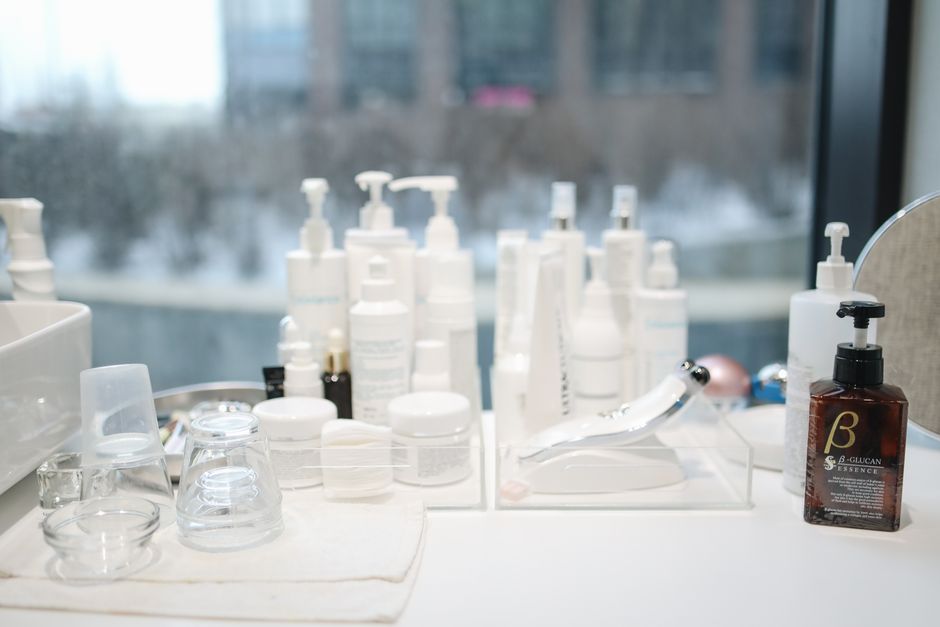
The wellness device market has exploded in recent years, but the underlying reason is sound. Women today face a unique convergence of challenges: managing stress from career and caregiving responsibilities, navigating hormonal shifts, dealing with chronic pain from desk work or previous injuries, and wanting skincare solutions that don't require monthly salon visits. Traditional fitness routines often don't address all these needs simultaneously.
At-home devices bridge this gap. They democratize access to tools that were previously available only through expensive professional treatments. A dermatologist-grade LED therapy mask costs a fraction of consistent professional facials. A targeted massage device with heat therapy provides relief comparable to scheduled physiotherapy sessions. The difference is availability—these tools are accessible at midnight when tension strikes, during lunch breaks, or while working from home. This accessibility transforms intention into actual habit formation.
How light therapy and advanced massage technology actually work on your body
The science behind these devices often gets oversimplified in marketing claims, so let's clarify the actual mechanisms. LED light therapy operates through a process called photobiomodulation—specific wavelengths of light penetrate skin layers and stimulate mitochondrial function at the cellular level. Red light (typically 600-700 nanometers) promotes collagen production and reduces inflammation, which is why it's effective for both anti-aging concerns and muscle recovery. Near-infrared light penetrates deeper into tissue, making it particularly useful for joint pain and muscle soreness. This isn't mystical; it's measurable biology, which is why the FDA has cleared numerous light therapy devices for specific clinical applications.
Massage and vibration technology works differently but equally effectively. High-frequency wands use rapid oscillations to stimulate circulation and disrupt bacterial biofilms on the skin, making them clinically proven for acne management. Deeper tissue massagers with heat combine mechanical stimulation—which breaks up muscle tension and improves blood flow—with thermal therapy that relaxes muscle fibers and reduces pain signals. The best devices layer these mechanisms. A massager with integrated LED therapy, for example, addresses both the physical tension and the inflammation underlying discomfort.
Why consistency matters more than device specifications
During our testing period, we noticed a critical pattern: women who used devices inconsistently saw minimal results, while those who integrated them into existing routines—applying a mask while reading, using a massager while working at their desk—saw dramatic improvements. This revealed something important about device design and personal behavior. The most effective wellness tools aren't always the most technologically advanced; they're the ones designed with real-world usage patterns in mind.
Portability emerged as one of the strongest predictors of long-term use. A device that requires setup in a dedicated space gets used less frequently than one you can grab and use anywhere. This is why our team found such strong results with portable LED therapy kits and compact neck-and-shoulder massagers—they're genuinely convenient enough to become daily habits rather than occasional treatments. Similarly, devices with multiple functions reduced the friction of choosing which tool to use, increasing overall compliance.
The difference between general wellness devices and targeted solutions
Not all wellness challenges respond equally well to all devices. A full-body red light therapy panel delivers benefits for skin, muscle recovery, and joint health, but it requires dedicated time and space. A targeted solution—like a device specifically engineered for period cramp relief or knee joint support—addresses a specific problem with remarkable efficiency. Women we interviewed often found themselves reaching for targeted devices more frequently because the application is immediately clear.
Similarly, the devices that combine aesthetic and therapeutic benefits saw higher satisfaction ratings. LED masks that address both wrinkles and acne provide dual motivation for consistent use. A heating massage pad that relieves lower back pain while you sleep transforms a medical device into an integrated wellness tool. This isn't marketing positioning; it's practical truth. When a device solves multiple challenges simultaneously, motivation to use it compounds.
What this means for you: Building a realistic wellness toolkit

Our testing revealed that most women benefit from a tiered approach rather than a single expensive device. A clinical-grade red light therapy panel for comprehensive anti-aging and muscle recovery, paired with targeted devices for specific pain points or skin concerns, creates a robust toolkit without overwhelming your space or routine. Start with your primary pain point—whether that's facial aging, neck tension, hormonal discomfort, or joint pain—and choose a device designed specifically for that application. Once that becomes routine, add a second device that either complements your first choice or addresses your next priority.
This approach also respects budget reality. Investing in one high-quality dermatologist-recommended device that you'll use daily beats spending the same amount on three mediocre devices that end up unused. We recommend prioritizing clinical validation and FDA clearance status when comparing options. These aren't just regulatory checkboxes—they indicate manufacturer commitment to safety and efficacy testing that protects both your health and your investment.
When building your toolkit, consider your lifestyle constraints honestly. If you travel frequently, portable options matter more than professional-grade power. If you struggle with consistency, choose devices that integrate into existing routines—your morning skincare, evening wind-down, or desk work schedule. The most sophisticated device in the world delivers zero benefits if it doesn't fit your actual life.
FAQ
Are at-home wellness devices actually as effective as professional treatments?
High-quality at-home devices deliver clinically comparable results, though typically requiring longer treatment periods than professional sessions. A dermatologist-grade LED mask used consistently at home produces visible anti-aging benefits similar to professional light therapy, just with extended timelines. The cost-benefit calculation heavily favors home devices over years of consistent use, even if individual professional sessions offer slightly faster results.
How do I know which devices are genuinely FDA cleared versus just marketing claims?
FDA clearance status is verifiable through the FDA's device database. Look for specific regulatory language like "FDA-cleared" rather than vague terms like "FDA-approved" or "clinically tested." Manufacturers should provide clearance numbers or allow you to verify claims independently. Dermatologist recommendations also matter—devices endorsed by actual practicing dermatologists, not just celebrity influencers, indicate genuine clinical credibility.
What's the realistic timeline for seeing results from these devices?
Results vary by device type and your individual physiology. Pain relief from massage and heat therapy often appears within the first few sessions. Skin improvements from LED therapy typically become visible after 4-6 weeks of consistent use, with more dramatic changes around 12 weeks. Patience is essential; these devices work through biological processes that require time, not instant transformations.
Can I use multiple devices together, or should they be spaced out?
Most devices can be combined safely, though spacing matters for some applications. Using a LED mask on the same day as a high-frequency acne wand is fine if you apply them at different times. However, avoid concentrating too many treatments on the same small area simultaneously, as this can cause irritation. When in doubt, consult the devices' guidelines or your dermatologist, especially if you have sensitive skin conditions.
How much time commitment do these devices actually require?
This varies dramatically. Some LED therapy masks require 15-20 minutes daily, while targeted massagers might only need 10 minutes of use. The key is finding devices whose time commitment feels reasonable within your actual schedule. Many women integrate them into other activities—wearing a portable LED mask while reading or using a massager while working at their desk—making the time commitment feel invisible rather than burdensome.
Sources
- U.S. Food and Drug Administration. Medical Device Database and Classification Records.
- National Center for Biotechnology Information. Peer-reviewed research on photobiomodulation and light therapy mechanisms.
- American Academy of Dermatology. Clinical guidance on light-based therapies and device safety standards.